

Sonu Nigam Sings ‘Suhaani Raat’ Mid-Surgery: A Safe Procedure Explained
Sonu Nigam Sings ‘Suhaani Raat’ Mid-Surgery: A Safe Procedure Explained
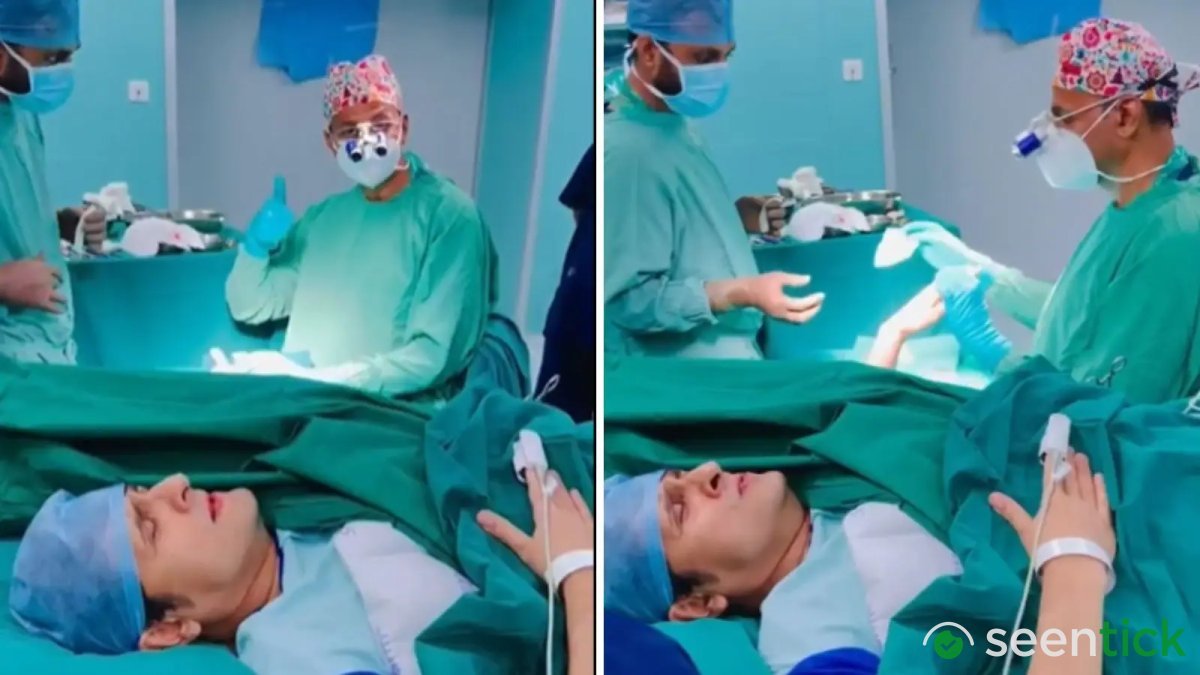
Singer Sonu Nigam performed Mohammed Rafi’s classic song ‘Suhaani Raat Dhal Chuki’ while undergoing a medical procedure. This surprising event has sparked questions about safety and possibility. The good news?
It was a carefully planned and safe technique already used in specific types of surgery.


Sonu Nigam was having a minor surgical procedure to treat a recurring growth on his finger. During the procedure, he began singing ‘Suhaani Raat Dhal Chuki’, a song originally performed This happened while he was under local anaesthesia – meaning only the part of his body being operated on was numbed.
The Facts: What Happened?
Singing during surgery, particularly ‘awake brain surgery’ (also called an awake craniotomy), isn't a new concept. It’s actually a controlled and deliberate technique used in specific circumstances. The key lies in local anaesthesia.
With local anaesthesia, the patient remains completely conscious and aware throughout the surgery. They can talk, move, and even sing! Only the area being treated is numbed.
Read More: Tom Cruise to Revive NASCAR Racing Movie Franchise with 'Days of Thunder' Sequel
This allows surgeons to precisely target their work while keeping the patient alert.
Singing during brain surgeries – specifically when removing tumors or epilepsy lesions near areas that control speech, language, or musical ability – offers a powerful benefit. Surgeons use it to monitor vital brain functions. If the patient suddenly stops singing, it immediately tells the surgeon where critical areas are located.
How is This Possible? The Science Behind It
During these procedures, surgeons will often use minor electrical stimulation on the brain. The patient’s singing provides a real-time feedback mechanism. A faltering note indicates that the surgeon is getting close to a sensitive area and can adjust their approach to avoid damaging it.
This technique isn’t limited to brain surgeries. It can also be used for minor procedures where local anaesthesia is employed, allowing patients to remain conscious and actively participate in the process. The goal remains the same: to carefully monitor brain function during delicate operations.
Beyond its clinical utility, singing during surgery also acts as a powerful psychological tool. It helps reduce patient anxiety and distracts them from any pain or discomfort they might be experiencing. It’s a way to keep the mind focused and engaged.
What's Your Reaction?
 Like
Like
 Dislike
 Love
1
Love
1
 Funny
Funny
 Wow
1
Wow
1
 Sad
Sad
 Angry
Angry

Movies, series, and everything happening around Indian entertainment keep me busy. I cover OTT releases, box-office conversations, celebrity news, and the changing world of streaming, with a particular interest in the stories and trends that audiences are talking about right now.















Comments (0)