

Diljit Dosanjh’s Satluj & The History Behind It: The Punjab Insurgency Explained: Key Developments
Diljit Dosanjh’s Satluj & The History Behind It: The Punjab Insurgency Explained: Key Developments
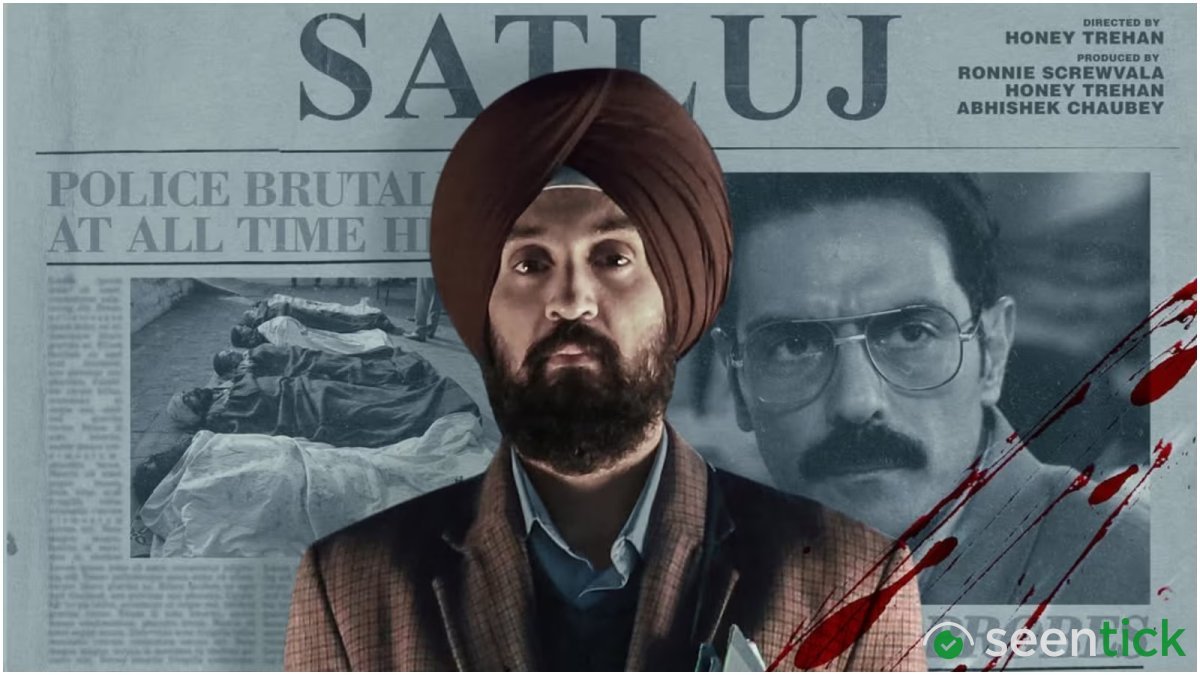
The digital release of Diljit Dosanjh’s film, ‘Satluj,’ (formerly titled ‘Punjab ’95’) has been abruptly halted This action follows heightened scrutiny and concerns that the film's raw portrayal of police brutality during the Punjab insurgency (1984-1995) could be exploited politically. The decision, communicated as ‘current developments’ requiring a temporary suspension, underscores the deeply sensitive historical context surrounding the project and highlights the ongoing tensions between artistic expression and governmental sensitivities within India.
The events underpinning ‘Satluj’ are rooted in a devastating decade – from 1984 to 1995 – when the state of Punjab was gripped This period wasn't born out of nowhere; it stemmed primarily from the perceived marginalization of the Sikh population following the Partition of India in 1947. The division left a significant portion of Sikhs residing within what became West Punjab, feeling politically and economically disenfranchised within India’s federal structure.


This created fertile ground for resentment that was later fueled
The 1984-1995 Punjab Insurgency: A Timeline of Violence and Response
Adding to the brewing discontent was the 1973 Anandpur Sahib Resolution, formally drafted The resolution demanded greater regional autonomy for Punjab, including enhanced economic self-sufficiency and safeguards for religious freedom. However, the central government viewed this document as a thinly veiled secessionist attempt and a subversive challenge to national unity. This perception significantly escalated tensions.
The immediate aftermath of 1984 – marked The breakdown in trust between the civilian population and the state apparatus led directly to the rise of armed militant groups operating within Punjab.
June 1984 witnessed a watershed moment with Operation Blue Star, launched The operation’s stated goal was to neutralize armed militants who were reportedly using the temple as a base of operations and storing weapons. However, the assault resulted in catastrophic consequences.
Read More: Fadnavis Calls for Comedian to Know Limits on Freedom of Expression
The Indian Army stormed the Akal Takht, inflicting heavy casualties on both sides and causing widespread damage to the sacred site. This event dramatically deepened the divide between Sikhs and the state, triggering immense outrage across the globe and solidifying the perception of a brutal military intervention.
Following Operation Blue Star, the Indian state responded with increasingly aggressive counter-insurgency tactics. This led to widespread accusations of human rights abuses. Security forces routinely employed tactics that resulted in the unlawful detention and extrajudicial killings of young Sikh men, often under the guise of identifying militants.
The controversial figure of Jaswant Singh Khalra played a central role in uncovering these atrocities. Khalra, formerly a bank employee, dedicated himself to investigating alleged illegal killings and secret cremations carried out His relentless pursuit of justice ultimately led to his own abduction and murder in September 6, 1995, while washing his car outside his home in Amritsar – a chilling illustration of the climate of fear that had gripped Punjab.
The Anandpur Sahib Resolution & Rise of Militancy
Diljit Dosanjh's film ‘Satluj,’ directed The film highlights how Khalra became a pivotal human rights figure after searching for a colleague’s missing brother – a search that ultimately exposed the systemic state violence occurring in Punjab. His report, presented internationally in 1995 (including Canada and the UK), detailed these abuses.
The Supreme Court of India eventually upheld his life sentences in 2011, acknowledging the systematic nature of the crimes committed The Central Board of Film Certification initially demanded 127 cuts to the film, reflecting the immense sensitivity surrounding the subject matter.
The temporary removal of ‘Satluj’ from ZEE5 – announced on July 3, 2026 – underscores the ongoing sensitivities surrounding this period in Indian history. The film’s focus on police brutality and its potential to be “misused” highlights the challenges faced The situation reflects a wider tension between freedom of expression and governmental concerns regarding national security and social stability, particularly concerning sensitive periods like the Punjab insurgency.
What's Your Reaction?
 Like
Like
 Dislike
 Love
Love
 Funny
Funny
 Wow
Wow
 Sad
Sad
 Angry
2
Angry
2

Movies, series, and everything happening around Indian entertainment keep me busy. I cover OTT releases, box-office conversations, celebrity news, and the changing world of streaming, with a particular interest in the stories and trends that audiences are talking about right now.












Comments (0)