

Pennsylvania Data Centers: A Regulated Energy Solution or a Big Tech Deal
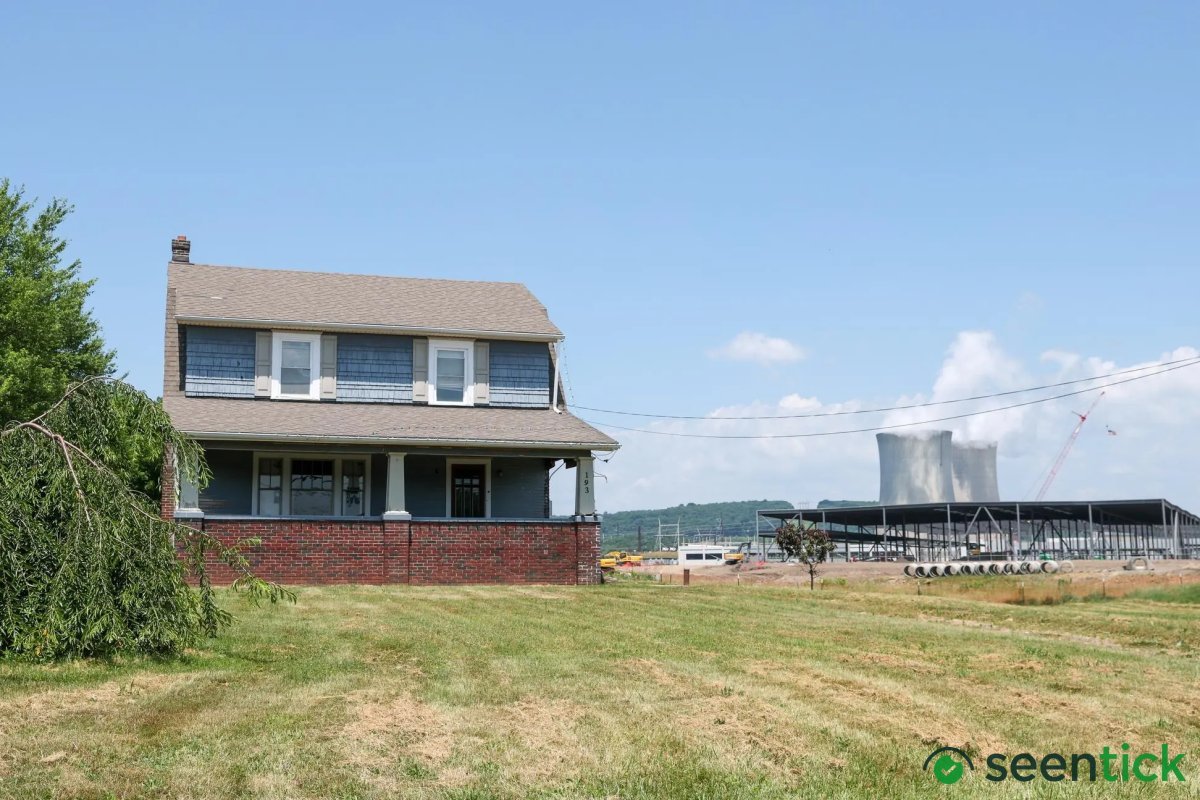
Pennsylvania Data Centers: A Regulated Energy Solution or a Big Tech Deal
Pennsylvania is facing a unique challenge in its electricity market, with the rapid growth of data centers contributing to higher costs for residents. The state's regulated utilities are not allowed to compete with each other to build new power plants, instead relying on independent merchant generators who prioritize profits over expansion.
This has resulted in a limited supply of electricity and increased prices for consumers.
Read More: Scottie Scheffler Finishes Season With Tour Championship Victory
Despite the controversy surrounding data center growth, proponents of Consumer-Regulated Energy (CRE) argue that these large load users should be allowed to contract with power suppliers to build their own closed networks independent of the grid. Proponents claim that this approach would minimize regulatory burdens and have little impact on resources or residents, while also protecting these large load users from taxes.
However, critics argue that CRE is a form of deregulation that allows data centers to avoid paying for the benefits of being connected to a robust and resilient grid infrastructure. This approach has been likened to "behind the meter," which implies a working interconnection to the grid, but in reality, CRE backers are asking the American public to underwrite the expansion of data centers.
The Keystone State's deregulated market was designed to promote competition and reduce prices, but in practice, it has led to a situation where merchant generators prioritize profits over expansion. As a result, regulated utilities cannot work with the public service commission to build new power plants, leaving consumers without adequate electricity supply.
Also Read: Indian IT Services Companies Poised to Benefit from AI Adoption Shift
One potential solution is for data centers to construct their own single-user power plants, as seen in West Texas with Microsoft and Chevron's facilities. This approach would require significant investment, but it could help ensure that data centers contribute to the grid rather than relying on public infrastructure at no cost.
Ultimately, elected leaders and regulators must cut through the buzz surrounding CRE and focus on finding solutions that benefit consumers. As one critic put it, "elected leaders and regulators must get to work" to address this issue and ensure that the benefits of data centers are shared
Frequently Asked Questions
What's Your Reaction?
 Like
Like
 Dislike
 Love
Love
 Funny
Funny
 Wow
Wow
 Sad
Sad
 Angry
1
Angry
1

I write about the forces shaping business and the global economy, from startup growth and changing markets to international trade and policy. My work focuses on breaking down complex developments into clear, practical insights and understanding what they could mean for businesses, investors, and the wider economy.















Comments (0)