
Qualcomm just broke the 5GHz barrier with its next Snapdragon chip
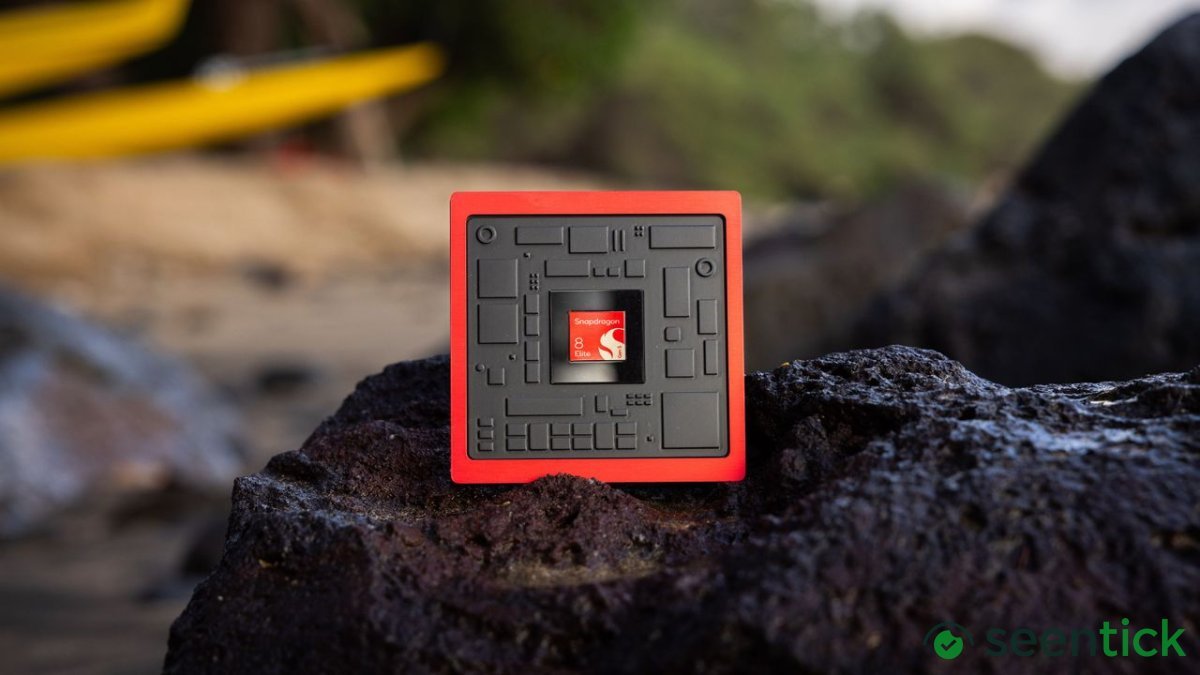
- What you need to know Qualcomm's next-generation Oryon CPU will reach clock speeds of up to a whopping 5GHz. The new Oryon CPU uses a f
- Qualcomm is expected to unveil two new Snapdragon 8 Elite chipsets at its Snapdragon Summit in September. Ahead of the Snapdragon Summi
- Apple continues to push its A-series chips forward, while Qualcomm's Snapdragon flagships have steadily brought desktop-level performan
What you need to know Qualcomm's next-generation Oryon CPU will reach clock speeds of up to a whopping 5GHz. The new Oryon CPU uses a fully custom design, giving Qualcomm greater control over performance and efficiency. Qualcomm's new FlexCache lets CPU cores dynamically share cache, helping improve gaming and multitasking performance.
Qualcomm is expected to unveil two new Snapdragon 8 Elite chipsets at its Snapdragon Summit in September. Ahead of the Snapdragon Summit next month , Qualcomm has shared more details about its next-generation Oryon CPU, sharing that it will be capable of reaching a whopping 5GHz clock speed. Smartphone chipsets have become ridiculously powerful over the past few years.


For related coverage, explore our detailed analysis on Technology and Digital Systems.
Key Analysis and Detailed Timeline
Apple continues to push its A-series chips forward, while Qualcomm's Snapdragon flagships have steadily brought desktop-level performance to Android phones . Of course, we can't say the same about everyone (looking at you, Tensor G6 ). Now, Qualcomm looks ready to push things even further with its next-generation Oryon CPU.
Qualcomm hasn't revealed its full next-generation Snapdragon platform just yet, but says the new Oryon CPU uses a fully custom design, with the company controlling everything from the microarchitecture to the entire CPU subsystem. According to Qualcomm, that level of control is one of the reasons it can push clock speeds all the way up to 5GHz.
But Qualcomm says higher clock speeds aren't the only reason for the performance gains. The company is also focusing heavily on IPC (instructions per clock), which determines how much work the CPU can complete per clock cycle. Improvements here should translate into better performance across everyday tasks, from opening apps and browsing the web to more asking for workloads.
Read More: RayNeo holds nothing back with iO smart glasses HUD and the pure cinema GT Max
Broader Impact and Sector Outlook
(Image credit: Qualcomm) Qualcomm has also introduced Oryon FlexCache, a new cache architecture that allows different CPU cores to access the same dynamically allocated cache pool. Instead of assigning a fixed amount of cache to individual cores, FlexCache allows the Prime cores to access the entire available pool whenever a workload needs it.
The company says this should particularly help with workloads that constantly move between different CPU cores.
In gaming, for example, better access to local cache could help stabilize frame rates and reduce stutters, while the same architecture should also help with heavier multitasking. Qualcomm still hasn't revealed the complete details of its next Snapdragon flagship platform.
The company has already teased that we'll see two Snapdragon 8 Elite chips at Snapdragon Summit 2026, though, so we should learn much more about both chipsets soon.
Snapdragon Summit 2026 is scheduled to take place from September 22 through September 24 in Hawaii.
Frequently Asked Questions
What's Your Reaction?
 Like
0
Like
0
 Dislike
0
Dislike
0
 Love
0
Love
0
 Funny
0
Funny
0
 Wow
0
Wow
0
 Sad
0
Sad
0
 Angry
0
Angry
0

Tech journalist and AI enthusiast who enjoys keeping up with the latest in hardware, processors, emerging AI tools, and software. I like digging into new technology, understanding how things actually work, and following the developments that could shape the way we use technology in the future.














Comments (0)