

AI-Driven Inflation: Tariffs and Chip Shortage Contribute to Rising Core Prices
AI-Driven Inflation: Tariffs and Chip Shortage Contribute to Rising Core Prices
- A new analysis from the Minneapolis Federal Reserve reveals that massive artificial intelligence demand on memory and computer hardware
- Researchers found that tariffs imposed 2 to 0.4 percentage points of core personal consumption expenditures (PCE) inflation as of July,
- The core PCE inflation rate reached 3.3% year-over-year through July-the highest since 2023 and, outside the pandemic, the highest sinc
A new analysis from the Minneapolis Federal Reserve reveals that massive artificial intelligence demand on memory and computer hardware has driven up core inflation, with tariffs playing a significant role in the surge.
Researchers found that tariffs imposed 2 to 0.4 percentage points of core personal consumption expenditures (PCE) inflation as of July, according to a Minneapolis Fed analysis published Friday.


Tariffs and AI-Driven Inflation
The core PCE inflation rate reached 3.3% year-over-year through July-the highest since 2023 and, outside the pandemic, the highest since the early 1990s.
AI-driven demand for memory and computer hardware has pushed up prices for video and information processing equipment a staggering 12.2% year-over-year through July, adding roughly 0.4 percentage points to core PCE inflation-comparable to the entire tariff contribution.
Further tariff-driven price increases are likely still in the pipeline. Some heavily tariffed sectors, like new cars, have not yet fully passed through cost increases, and recent surveys show businesses plan to implement additional tariff-related price hikes.
AI-Driven Price Spikes
Researchers said that even without tariffs, core PCE inflation would still be one percentage point above the Fed’s 2% target.
Read More: Frank Ocean's 'Blonde' Hits Milestone of 500 Weeks on Billboard 200
The annual rate at which prices for video and information processing equipment were falling from 2015 to 2019 was 6.5%. That’s the extraordinary reversal driven
Building and training high-performance AI models requires central processing units, graphics processing units, video RAM, storage, cooling systems and other hardware at a massive scale, and prices for those items have subsequently surged, even at the individual consumer level.
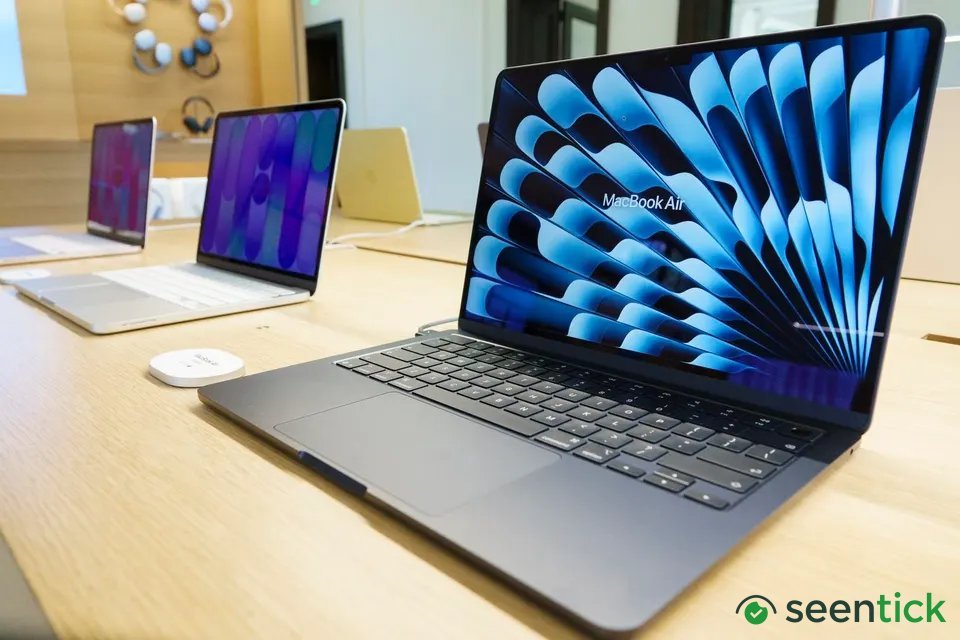
Apple raised its MacBook and iPad prices Smartphone makers and gaming console companies have also raised prices.
Researchers at the Minneapolis Federal Reserve have found that massive artificial intelligence demand on memory and computer hardware has driven up core inflation as much as the tariffs President Donald Trump imposed early last year.
Tariffs, the impacts of which are just starting to materialize in consumer prices, now account for 0.2 to 0.4 percentage points of core personal consumption expenditures inflation as of July, according to a Minneapolis Fed analysis published Friday.
Core PCE inflation, which excludes often volatile prices for food and energy, reached 3.3% year-over-year through July-the highest since 2023 and, outside the pandemic, the highest since the early 1990s.
Frequently Asked Questions
What's Your Reaction?
 Like
1
Like
1
 Dislike
0
Dislike
0
 Love
0
Love
0
 Funny
0
Funny
0
 Wow
1
Wow
1
 Sad
0
Sad
0
 Angry
0
Angry
0

I write about the forces shaping business and the global economy, from startup growth and changing markets to international trade and policy. My work focuses on breaking down complex developments into clear, practical insights and understanding what they could mean for businesses, investors, and the wider economy.














Comments (0)