

In village where 23 Kashmir Pandits were killed, 4 homes a reminder of dark night
In village where 23 Kashmir Pandits were killed, 4 homes a reminder of dark night
- On a warm summer day two weeks ago, Abdul Gani met a man who looked familiar. The meeting was just off the Srinagar-Ladakh national hig
- The answer stunned him — Gani was meeting his old neighbour Brij ‘Batta’ (Batta is a Kashmiri word for Pandit) from Wandhama in Kashmir
- But somewhere in his face, I sensed something familiar.” On August 25, Jammu & Kashmir Police’s State Inquiry Agency opened an inquiry
On a warm summer day two weeks ago, Abdul Gani met a man who looked familiar. The meeting was just off the Srinagar-Ladakh national highway, at the start of the 400-metre-long road that climbs gently into the village of Wandhama.
As soon as he saw him, Gani asked the man where he was from — a customary first question in these parts when Kashmiri Pandits and Muslims meet.


The answer stunned him — Gani was meeting his old neighbour Brij ‘Batta’ (Batta is a Kashmiri word for Pandit) from Wandhama in Kashmir’s Ganderbal district. “We hugged,” says Gani. “Time had changed us — we had both grown old and grey.
But Overview & Context
But somewhere in his face, I sensed something familiar.” On August 25, Jammu & Kashmir Police’s State Inquiry Agency opened an inquiry into that incident, when militants in Army fatigues entered the village and killed 23 Kashmiri Pandits in one of the deadliest attacks of that time. The case is the latest in a series of checks that the SIA has opened into the killings of Kashmiri Pandits during the militancy.
And although Brij had left the village for Jammu eight years before the Wandhama massacre, when many like him were having to leave the Valley as part of the larger Kashmiri Pandit exodus, the reunion with him brought back memories for Gani. Nestled among tall Chinar and walnut trees, Wandhama is a village in central Kashmir’s Ganderbal.
On the night of January 25-26, 1998, a group of militants descended on the village, assembled the Kashmiri Pandits in one place and opened indiscriminate fire. It led to the killing of 23 Kashmiri Pandits, including four children and nine women.
A new highway corridor that connects Srinagar and Ladakh has come up a few hundred metres from the village, and old brick-and-stone houses are giving way to larger concrete ones.
And Overview & Context
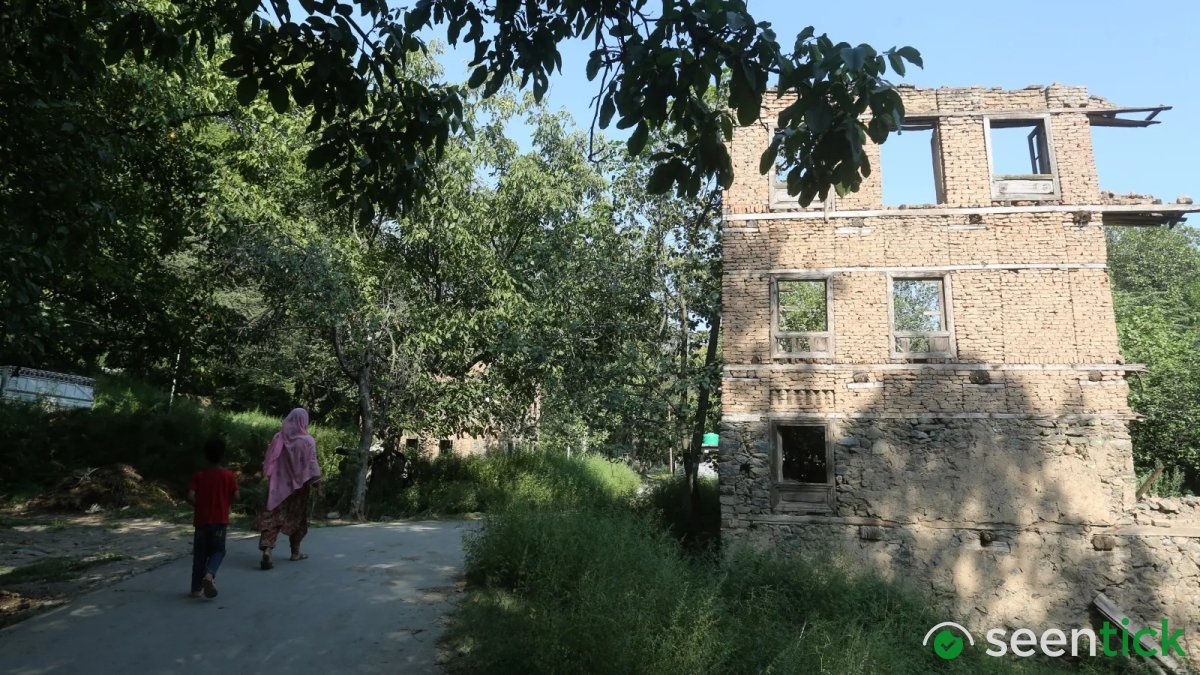
And yet, in the heart of the village, four rundown brick-and-stone houses belonging to the Pandits remain standing, frozen in time. Time and weather have torn away most of the structures, and dense green vegetation grows out of the windows and archways. “We had seven Pandit houses here, but now you can only see four.
Locals bought three of the houses, and new houses came up in their place,” says Mohammad Haneef Baba, a 65-year-old resident. “Nobody from the village has touched the other four, but how long will they stand the weather and time?” As militancy peaked in 1990, several Kashmiri Pandits began leaving the Valley for Jammu.
But the residents of the four households stayed put.
Read More: Jammu and: Kashmir gets new intel chief — in officer who supervised Vyapam probe
Then came the night of January 25, 1998. Newsletter Follow our daily newsletter so you never miss anything important. On Wednesday, we answer readers' questions.
Subscribe Baba recalls that night and its horror. It was Ramazan, and most of the village’s male residents were at the local mosque, he says. “We heard a few shots but thought it was somewhere far away.
It was January 26 (Republic Day), and we thought it was a celebratory fire,” he says. Then came the wails of some women. “When we went outside (the mosque where people were praying), we heard the women pleading with us to leave for some safe place.
They said there had been firing in the village,” Baba says. “Some of the young men from the gathering mustered courage and ran towards the Pandit houses. They saw bodies scattered outside.” The massacre wiped out all four families that remained.
Five of those killed that night were guests of the Pandit families. The massacre had only one survivor – a teenager. “He was a smart boy,” says Baba.
“He was wearing a black pheran and hid himself in charcoal. When it all fell silent, he ran towards a house on the other side of the village. An hour later, he returned home, took some documents and left.” The villagers went to the closest Army camp in Kurhama and told them about the killings.
The killings of that night set off another series of migrations — this time of some Muslim families, who headed to Srinagar and even to faraway Sopore in north Kashmir. Twenty-eight years later, the killings still inspire fear. They are spoken about in no more than a hushed whisper.
A villager in his fifties refuses to talk about that night. “Why are you reopening the old wounds?” he says irritably. But the killings have failed to sever the bond between the Muslims and Pandits of the village.
Decades later, Pandits who left the village years ago still return, their ties sustained “They come to the village to meet their old Muslim friends, but they don't stay the night. They have land here and sell their walnut produce every year,” says Baba. “They are connected to this village through their land and their friends.”
Frequently Asked Questions
What's Your Reaction?
 Like
0
Like
0
 Dislike
0
Dislike
0
 Love
0
Love
0
 Funny
0
Funny
0
 Wow
0
Wow
0
 Sad
1
Sad
1
 Angry
1
Angry
1

Tech journalist and AI enthusiast who enjoys keeping up with the latest in hardware, processors, emerging AI tools, and software. I like digging into new technology, understanding how things actually work, and following the developments that could shape the way we use technology in the future.











Comments (0)