
‘Too Much Music’ Is a Doc Project About Ghanaian Keyboardist Kiki Gyan – and About Who Controls Artists’ Narratives
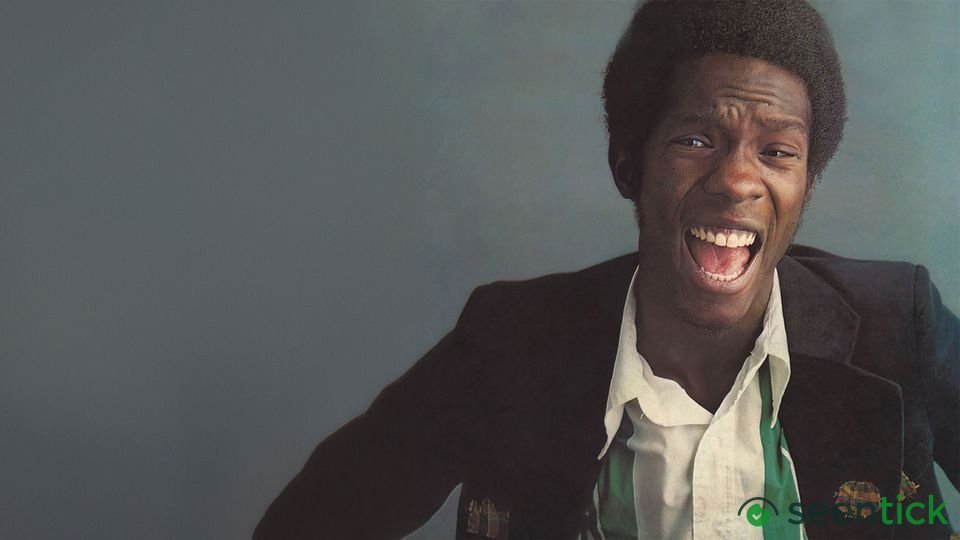
Director Aseye Fiagbe grew up with his music, thanks to the band Osibis, but about his story, she basically only knew how he died. "That bothered me," she recalls about the inspiration for the doc.
Music is a blessing, but maybe it can also be a curse – especially if you are a famous musician who gets remembered mostly for drugs and other negative narratives. Too Much Music, one of the works-in-progress showcased at the 2026 edition of Open Doors, the Locarno Film Festival‘s co-production platform and talent development program for filmmakers from equity-seeking communities and regions where artistic expression is at risk, wants to explore all these issues.


It comes from director Aseye Fiagbe (short The Gentleman, episode 7 of Bad Mama) and puts a spotlight on a famous keyboardist from Ghana, Kiki Gyan.
The director is also the producer of the doc via her Aseye Fiagbe Creative Studio in Ghana. She presented the project during the second edition of Open Doors with a focus on films from Africa and won one of three Open Doors Grants.
THR has compiled highlights about the movie and insight from Fiagbe about the project and the themes it explores.
Read More: Christopher Nolans Batman Trilogy Redefines Comic-Book Blockbusters
SynopsisToo Much Music is a feature documentary about Kiki Gyan, a Ghanaian keyboard prodigy who rose to international fame as a teenager with Afro-rock pioneers Osibisa. As his musical contributions expanded without recognition, tensions around credit and ownership led him to leave the band and pursue a solo career across London, Lagos and New York, shaping African disco and funk in the process.
Over time, the same system that profited from his brilliance proved indifferent to his vulnerability, and his life became reduced to a singular narrative of addiction and demise. Through archival material and testimonies from family and collaborators, the film reconstructs the forces that shaped his journey and asks how artists are remembered, who controls their stories, and what is lost when brilliance is reframed as failure.
Director’s noteMusic is a blessing, and Kiki Gyan had that gift in abundance. His music is joyful, infectious, technically brilliant, and yet his life story often overshadows the work itself. Many people know how he died long before they encounter the music he made. That imbalance is what pulled me into this film. I grew up with Osibisa as the soundtrack of Sunday afternoons in my home. Years later, I discovered Kiki’s solo work and realized how much of his brilliance had been hidden behind a simplified story of addiction and death. Too Much Music is not about rescuing him or forcing his life into a neat redemption arc. I am interested in complexity: holding brilliance, failure, joy, exploitation, vulnerability, and legacy in the same frame. As a Ghanaian filmmaker, I see this film as part of a larger responsibility to document our cultural history with care. Kiki’s story is about memory and erasure, about who gets remembered for their work and who is remembered only for how they fell.What was the inspiration for you to want to make this film?I grew up with Osibisa as part of the soundtrack of life in Ghana, but the story I knew about Kiki Gyan was basically the story of how he died. He was a brilliant prodigy who became addicted to drugs, lost everything and died in a church bathroom. That was the story. Then, as an adult, I started discovering how much music he had actually made and how little of it I knew. I realized that, like many other Ghanaians, I knew the ending of his life before I really knew the work. That bothered me, and the more I researched him, the more complicated, colorful and human the story became.
How universal are the themes of the film, and why should people outside Mozambique see it?For me, the film is ultimately about memory and who gets reduced to what. We do this all the time. A whole person can become one mistake, one tragedy, one headline. Kiki’s story happens within a very particular Ghanaian and African music history, but the questions underneath it feel universal.
What happens when talent arrives before someone is ready for everything that comes with it? Who gets credit for creative work? How do we treat people when they fall from the pedestal we put them on? And who gets to decide what remains of someone after they are gone? I don’t think you need to know Kiki Gyan or Osibisa to recognize those questions.
What's Your Reaction?
 Like
0
Like
0
 Dislike
0
Dislike
0
 Love
0
Love
0
 Funny
0
Funny
0
 Wow
0
Wow
0
 Sad
0
Sad
0
 Angry
0
Angry
0

SeenTick is a digital news platform bringing you the latest and most important stories from India and around the world. Explore news and updates across politics, business, technology, AI, gaming, health, sports, entertainment, science and more.









Comments (0)