

Northern Lights Could Be Visible From These Nine States Tonight
Northern Lights Could Be Visible From These Nine States Tonight
- The northern lights could be visible from some northern U.
- Forecasters at NOAA were not expecting any space weather events that could impact the aurora on Sunday night, according to the agency’s most recent three-day forecast, however, the agency did issue an alert for the higher expected Kp index on Sunday afternoon.
- These include northern Washington, Idaho, Montana, North Dakota, South Dakota, Minnesota, Wisconsin and Michigan’s Upper Peninsula.
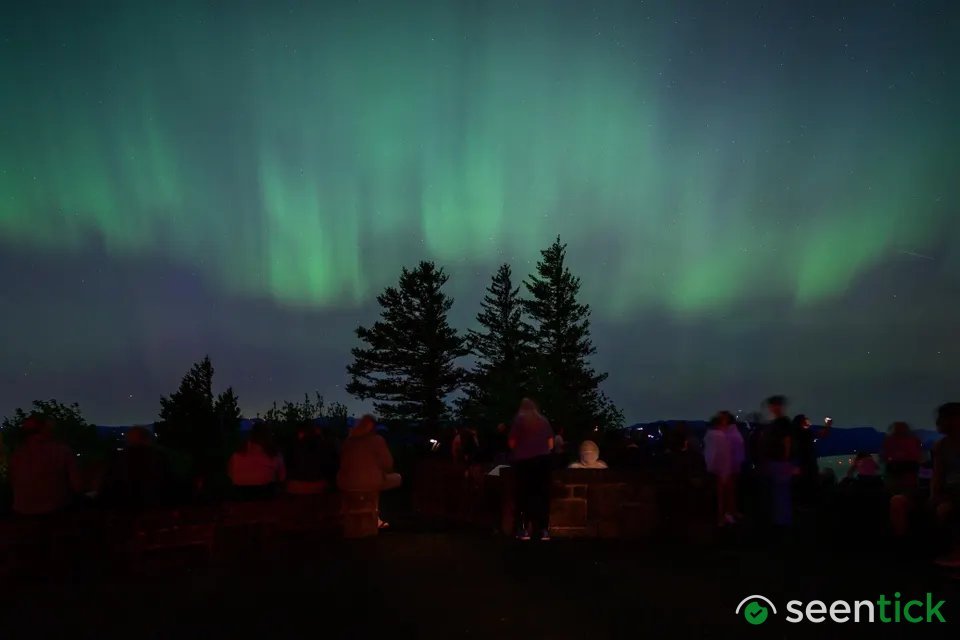
The northern lights could be visible from some northern U.S. states on Sunday night, according to a forecast from the National Oceanic and Atmospheric Administration, although forecasters are currently not expecting any space weather that typically makes the lights visible further south.
NOAA is forecasting a Kp index of four out of nine on Sunday night, meaning the aurora could appear brighter with more “motion and formations” in some places.


Forecasters at NOAA were not expecting any space weather events that could impact the aurora on Sunday night, according to the agency’s most recent three-day forecast, however, the agency did issue an alert for the higher expected Kp index on Sunday afternoon. The aurora has a “low” likelihood of visibility for several states along the U.S.-Canadian border, according to NOAA’s forecast map.
Core Findings and Detailed Timeline
These include northern Washington, Idaho, Montana, North Dakota, South Dakota, Minnesota, Wisconsin and Michigan’s Upper Peninsula. The lights also have a high likelihood of visibility from most of Alaska. However, the sun sets very late in Alaska during the summer months, meaning the night sky might not get dark enough for the aurora to become visible.
Experts at NOAA recommend viewers travel as far north as possible to catch a glimpse of the aurora. Viewers should then position themselves on an ideal vantage point with a good view of the sky facing north, ideally as far away as possible from cities or other sources of bright lights.
Read More: NYT ‘Connections’ #1176 Hints And Answers For Sunday, August 30
The aurora is most active in the hours just before and after midnight, according to NOAA, so viewers should try to search for the aurora between 10 p.m.
and 2 a.m. A photographer who spoke to National Geographic shared viewers can take quality photos of the northern lights using smartphone cameras, provided they use the right equipment and settings.
Photographers should remember to bring a tripod and remote timer when trying to capture images of the lights, as all cameras need to be held still for long periods of time to capture the aurora in the dark night sky.
Broader Implications and Future Outlook
Smartphone users should also remember to turn off their flash settings, turn on night mode and shoot using RAW image format if possible.
What's Your Reaction?
 Like
2
Like
2
 Dislike
 Love
Love
 Funny
Funny
 Wow
1
Wow
1
 Sad
Sad
 Angry
Angry

I write about the forces shaping business and the global economy, from startup growth and changing markets to international trade and policy. My work focuses on breaking down complex developments into clear, practical insights and understanding what they could mean for businesses, investors, and the wider economy.













Comments (0)