

Brazil's Working Class Shifts as Lula and Bolsonaro Face Off in Run-Off
Brazil's Working Class Shifts to the Right as Lula's Re-Election Campaign Faces Test.
The country's left-wing government, led by President Luiz Inácio Lula da Silva, is facing a significant challenge as the working class increasingly gravitates towards the right. With the former president's re-election campaign set to face a vital test in the upcoming runoff against his main rival. Flávio Bolsonaro, the stakes are high.
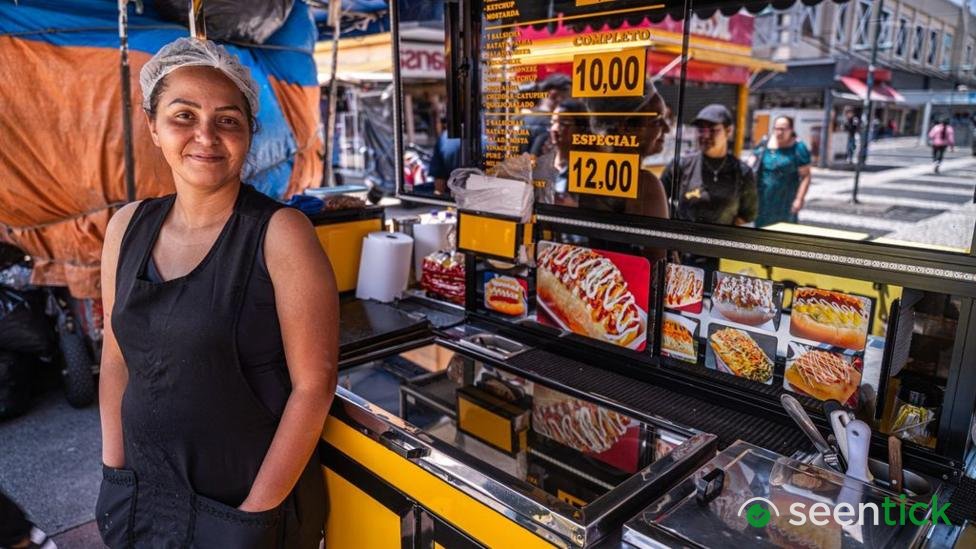
In the once-thriving industrial city of Osasco, the landscape has undergone a profound transformation. Former factories have given way to shopping malls and delivery app tech companies. A shift that has dramatically altered the city's economy and politics.
Gilberto Almazan, a metalworkers' union leader, expresses deep concern about Lula's prospects, citing the union's struggles to adapt to the changing workforce. The union's traditional support base is now stuck in the "Middle Ages", struggling to keep up with the modern workforce.
Read More: Argentina Sues UK Over Falklands Oil Exploration

The city's Hunger Map, which once highlighted the struggles of the working class, now shows a different narrative. The decline of metal, chemical, and textile factories has been accompanied by the emergence of five new shopping malls, a stark contrast to the industrial landscape of the past.
The £300 million invested in the city's infrastructure since 2019 has largely benefited the tech companies, leaving many workers feeling left behind.
Flávio Bolsonaro's supporters argue that the country needs change, citing frustration with the economy, crime, and corruption in politics. Bolsonaro's campaign promises to bring about a new era of hope and change. According to lawyer Gisele Bonfim, who has switched her allegiance from Lula in 2022.
The United Nations has warned that the country's economic and social fabric is facing a profound transformation. One that will require careful consideration and planning to navigate successfully.
Historian Richard Lapper argues that the rise of individualized work and the decline of manufacturing have created a crisis of "expectations," where people are better off but lack a sense of fulfillment. Lapper contends that workers need more freedom and flexibility in their work arrangements, citing the need for greater autonomy and work-life balance.
The 33 million Brazilians who rely on the informal economy are particularly vulnerable to this shift.
Also Read: El Niño Strengthens to 'Unprecedented Levels', Warming Oceans and Global Temperatures

As the election approaches, it remains to be seen whether Lula's re-election campaign can overcome the challenges posed by the shifting working class. The outcome will have significant implications for Brazil's politics and economy, and will likely determine the course of the country's future. The city of Osasco continues to evolve.
With new businesses and industries emerging to fill the void left by the decline of traditional manufacturing.
Meanwhile, the country's left-wing government is facing a test of its ability to adapt to the changing needs of its citizens. The 2022 vote, in which the municipality switched to the right-wing Flávio Bolsonaro, was a significant wake-up call for Lula's supporters.
The 1998 economic crisis, which was followed by a period of rapid growth under Lula's leadership, has left many wondering if the country is due for another period of transformation.
What's Your Reaction?
 Like
2
 Dislike
 Love
1
 Funny
 Wow
2
 Sad
 Angry

I write about the forces shaping business and the global economy, from startup growth and changing markets to international trade and policy. My work focuses on breaking down complex developments into clear, practical insights and understanding what they could mean for businesses, investors, and the wider economy.






Comments (0)