

10 Crime Thrillers That Are Perfectly Directed
10 Crime Thrillers That Are Perfectly Directed
- While both crime movies and thrillers have independently existed and thrived within the medium of film for generations, there is an inh
- The very best often make use of exceptional directing from a true cinematic visionary. A great director can really go a long way in ter
- The first film that legendary director Jules Dassin made after being blacklisted in Hollywood, Rififi is a masterfully constructed Fren
While both crime movies and thrillers have independently existed and thrived within the medium of film for generations, there is an inherent brilliance that comes from combining the two genres that has led the way to some of the best films of all time. A truly great crime thriller can hit all of the marks in terms of engaging, high-stakes stories that aren't afraid to delve into deeply difficult subject matter.
The very best often make use of exceptional directing from a true cinematic visionary. A great director can really go a long way in terms of the effectiveness of a crime thriller, with the right touch and perfect style elevating the stakes and tension.


Whether it be all-time classics of the genre or modern-day smash hits, the consistent thread among these widely beloved crime thrillers is that the director's vision was pulled off with absolute perfection.
Core Findings and Detailed Timeline
The first film that legendary director Jules Dassin made after being blacklisted in Hollywood, Rififi is a masterfully constructed French heist film that proved to be such a major success that it helped his stature in defying the blacklist. This perfect heist thriller was especially made famous for its legendary 30-minute heist sequence, performed in near total silence.
Dassin's exceptional directorial touch is the key element that transforms the perfect heist film into an absolute icon of the genre. While relatively unknown to those outside the cinephile community, Rififi is about as well-crafted as a heist film can get, with a memorable team of characters and such dedication to its realism that it has inspired real-life crimes.
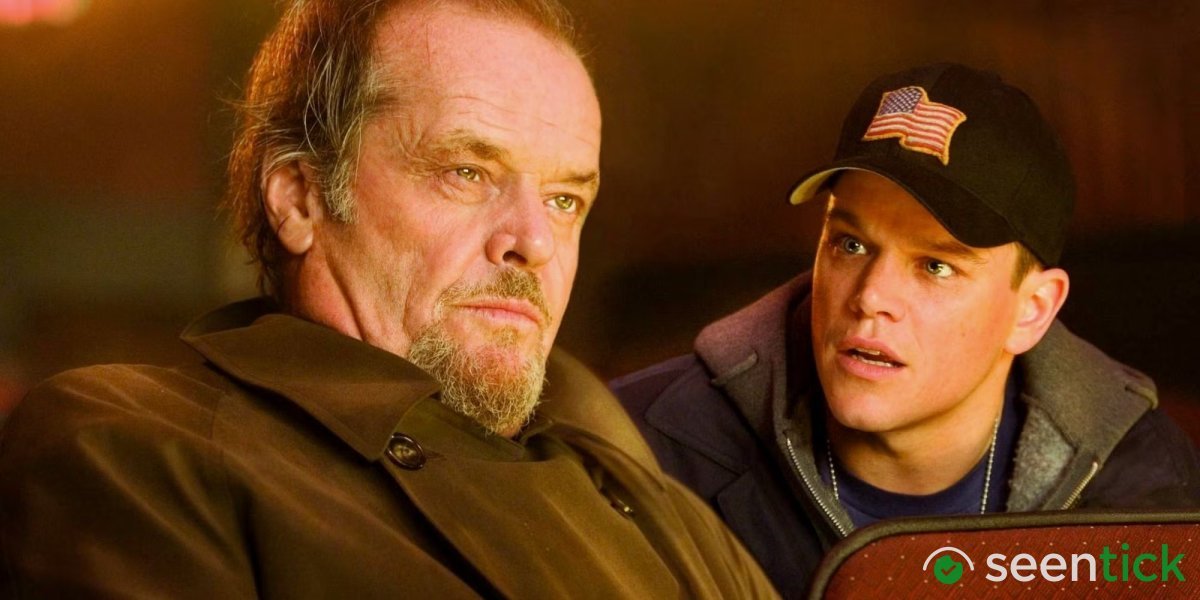
Dassin's directing was so exceptional that he even received the award for Best Director at the 1955 Cannes Film Festival, with the film as a whole becoming an absolute icon in film noir history. While legendary director Martin Scorsese has made many prominent crime movies and thrillers, in terms of outright crime thrillers, the undeniable highlight of his career is his highly acclaimed masterpiece, The Departed.
Broader Implications and Future Outlook
Its story of deception and simultaneous undercover spies and plants is immediately compelling and full of striking parallels, yet Scorsese's always exceptional directing truly elevates the film into all-time status. The Departed has a perfect sense of pacing and rising tension throughout the story, leading to a legendary third act where everything comes together, and the audience is glued to the seat at every shocking moment.
It exemplifies Scorsese's greatest strengths in directing stories of crime and deception, with a great heaping dose of tension to further elevate the stakes. There's a good reason why The Departed ended up being the one that finally earned Scorsese his long-awaited Best Director Oscar.
Often celebrated as one of the greatest noir films ever made, Roman Polanski's Chinatown is an unbreakable masterwork of crime that has stood tall as one of the best thrillers of the '70s.
It's a story of sleaze, grime, and tragedy that has stood the test of time in the decades since its release, thanks in part to Polanski's directorial flourishes. The film creates a powerful, suffocating energy that makes the tension of its criminal world all the more palpable and tense.
Chinatown is one of the very best films at capturing the mood and strengths of noir films while simultaneously subverting the norms of detective crime stories in its storytelling.
As much as Polanski is a polarizing figure nowadays, rightfully so, his masterful work in directing this film cannot be denied, as he goes all out to create one of the most striking crime movies ever made. One specific story archetype that has always found success within the crime thriller genre is the prison break, as the blending of tensions, stakes, and emotion makes these stories both engaging and highly captivating as a viewer.
While many great prison break movies have existed over the years, few hold a candle to the outright brilliance presented This perfectly written thriller takes a slow and methodical approach to the concept of a prison escape, focusing on real humanity and a story of integrity and patience instead of the traditional conventions of a Hollywood heist film.
This larger focus on grounded characters makes their plight for freedom all the more compelling and tense, as each risk and failure has massive life-or-death consequences for characters we deeply care about. While Becker sadly passed away weeks after he finished shooting the film, his legacy will forever be tied to this absolute masterpiece.
Often celebrated as one of the darkest, most intense thrillers ever made, No Country for Old Men has been an icon of the genre since its release, easily standing as one of the greatest films of the 21st century and the magnum opus of the Coen Brothers.
It plays into a lot of the similar strengths and themes of previous Coen Brothers films, yet with a much darker, grittier, and more serious undertone as it utilizes their strengths perfectly for a story of pure dread. There is an inherent flair and brilliance to the film that makes it a step above the other cinematic works of the Coens, almost like it's taking their classic strengths and conventions and fine-tuning them for a raw, unrestrained story of pain.
Time has only been kind to the film's legacy and stature, with many aspects of its filmmaking directly influencing modern thrillers and Javier Bardem's performance as Anton Chigurh is celebrated more and more with each passing year. Your answers have pointed to one Oscar Best Picture winner above all others.
This is the film that was made for the way your mind works.
You are drawn to films that operate on multiple levels simultaneously — that begin in one genre and quietly, brilliantly migrate into another. Bong Joon-ho's Parasite is a film about class, desire, and the architecture of inequality that manages to be darkly funny, deeply suspenseful, and genuinely shocking across a single extraordinary running time.
Your instinct is for cinema that hides its true intentions until the moment it's ready to reveal them.
Parasite is exactly that — a film that rewards close attention and punishes assumptions, right up to its devastating final image. You want it all — and this film gives you all of it.
The Daniels' Everything Everywhere All at Once is one of the most maximalist films ever made: action comedy, multiverse sci-fi, family drama, existential crisis, and a genuinely earned emotional core that sneaks up on you amid the chaos.
Read More: ?Toxic’: A fairy tale strictly for Yash fans
You are someone who responds to ambition, who doesn't want cinema to choose between being entertaining and being meaningful. This film refuses that choice entirely.
It is overwhelming You are drawn to cinema on a grand scale — films that understand history not as a backdrop but as a force, and that place their characters inside that force and watch what happens.
Christopher Nolan's Oppenheimer is a film about the terrifying gap between what we can do and what we should do, told with the full weight of one of the most consequential moments in human history behind it. You want your films to feel important without feeling self-important — to earn their ambition through sheer craft and the gravity of their subject.
Oppenheimer does exactly that. It is enormous, complicated, and refuses easy comfort. You are drawn to films that foreground their own building work — that make the how of the filmmaking part of the what it's about.
Alejandro González Iñárritu's Birdman, shot to appear as a single continuous take, is cinema examining itself through the cracked mirror of a fading actor's ego. You respond to formal daring, to the feeling that a film is doing something that probably shouldn't be possible.
Michael Keaton's performance and Emmanuel Lubezki's restless camera create something genuinely unlike anything else — a film that is simultaneously about creativity, relevance, self-destruction, and the impossibility of ever truly knowing if your work means anything at all.
You are drawn to cinema that trusts silence, that refuses to explain itself, and that treats dread as a form of meaning. The Coen Brothers' No Country for Old Men is a film about the arrival of a new kind of evil — implacable, arbitrary, and utterly indifferent to the moral frameworks we use to make sense of the world.
It is one of the most formally controlled films ever made, and its controlled restraint is what makes it so terrifying. You want your films to haunt you, not comfort you. You are not interested in resolution if resolution would be dishonest.
No Country for Old Men is honest in a way that most cinema never dares to be. In terms of crime thriller noirs from the golden age of Hollywood, it's difficult to find a film more influential and exceptionally well directed than Billy Wilder's Double Indemnity, often considered one of the pivotal starting points for film noir as a whole.
Its story of deception and crime mixed with forbidden love and adultery is still extremely captivating all these years later, as the strengths that made it such an influential film are still incredibly effective over 80 years later. Wilder does a great job of balancing the moral difficulties of its central crime, as the main character finds difficulty reconciling his passion and lust with his desire to do the right thing.
With a multitude of layers and growth throughout this story of murder and insurance fraud, Double Indemnity's darker directing and focus on the psychological elements have made it one of the most influential and important crime films ever made. David Fincher is a director whose work in the world of thrillers is among the very best in film history.
Fincher's various thrillers range from underrated gems of their era to some of the greatest and most celebrated ever made. At the top of this list of thriller masterpieces, however, is Se7en, an exceptional crime procedural whose powerful themes and ingenious directing have made it one of the most celebrated masterpieces of the 1990s.
Despite the bleak and painful subject matter at its center, the striking visual flair that Fincher provides, combined with a deeply captivating story of twists and turns, makes it surprisingly rewatchable.
It's rife with small details and intricacies that make each additional viewing more powerful than the last, amplifying its central themes and exerting a much larger emotional connection with the audience. Few '90s thrillers come close to the brilliance that Fincher displays in this tragic story of death and deception.
While South Korean director Bong Joon Ho is more often celebrated and recognized for his legendary work directing Parasite, this is far from the only thriller masterpiece that the director has created in his tenure.
One especially overlooked masterpiece that he's created is the crime thriller Memories of Murder, a brilliant police officers procedural that delves into the difficulties of systemic failure and how some truths, no matter how intricately searched, may simply never come to light. It's one of the bleakest crime stories ever told in cinema, showing that the systems of justice that we have built up as a cornerstone of society can just as easily be toppled and fail to withstand the pure evil of those willing to break the system.
It's a powerful story whose central messaging grows more powerful with each passing year, showing that Bong Joon Ho has always had a knack for masterful directing in his cinematic offerings. Alfred Hitchcock is a director whose stature and legacy speak for themselves, as his various stories of crime and thrills are among the most celebrated and widely influential masterpieces in film history.
In terms of which of his films most effectively blend together crime and thriller elements, it's hard to deny the brilliance and craft required to create Rope. This story of hubris and deception may stand as one of the most impressive feats in directing and pacing for the era, with Hitchcock achieving something truly masterful.
The film ingeniously has its runtime taking place in real-time, edited so as to make the entire film feel like four different long takes to further emphasize its stage play roots. This, combined with the limited location of the film, allows Rope to tap into a lot of the same strengths and brilliance that it had on the stage, further elevated Adding action to a crime thriller is one of the easiest and most surefire ways to engage an audience, yet with so many action thrillers released year after year, it's increasingly difficult to stand out among the crowd.
This is even more difficult when considering the fact that Michael Mann had perfected the formula for action crime thrillers 31 years ago with Heat, largely considered the greatest action thriller ever made. The action is top-notch, the character dynamics and parallels between Al Pacino's Vincent Hanna and Robert De Niro's Neil McCauley are brilliant, and every aspect of its directing exemplifies and amplifies its strengths to soaring heights.
The film was already massively celebrated when it first released, yet its legacy has massively grown in the decades since, as it is often attributed as being one of the most influential crime movies ever made and an untouchable masterpiece of action thrillers. With a long-awaited sequel on the horizon, there is no better time than the present to check out the definitive crime thriller epic.
Frequently Asked Questions
What's Your Reaction?
 Like
0
Like
0
 Dislike
1
Dislike
1
 Love
0
Love
0
 Funny
0
Funny
0
 Wow
0
Wow
0
 Sad
0
Sad
0
 Angry
3
Angry
3

Movies, series, and everything happening around Indian entertainment keep me busy. I cover OTT releases, box-office conversations, celebrity news, and the changing world of streaming, with a particular interest in the stories and trends that audiences are talking about right now.











Comments (0)