

Somali piracy surges as the impact of the US-Iran war ripples outwards
Somali piracy surges as the impact of the US-Iran war ripples outwards
- Pirates manage to board ships operating a long way from the coast and then guide them closer to the shore A surge in piracy near Somali
- It is the biggest escalation in hijackings in more than a decade, renewing concern about security in this region vital to international
- Iran and the US continue to battle over control of the strategic Strait of Hormuz. And Tehran's Houthi allies in Yemen have imposed a t
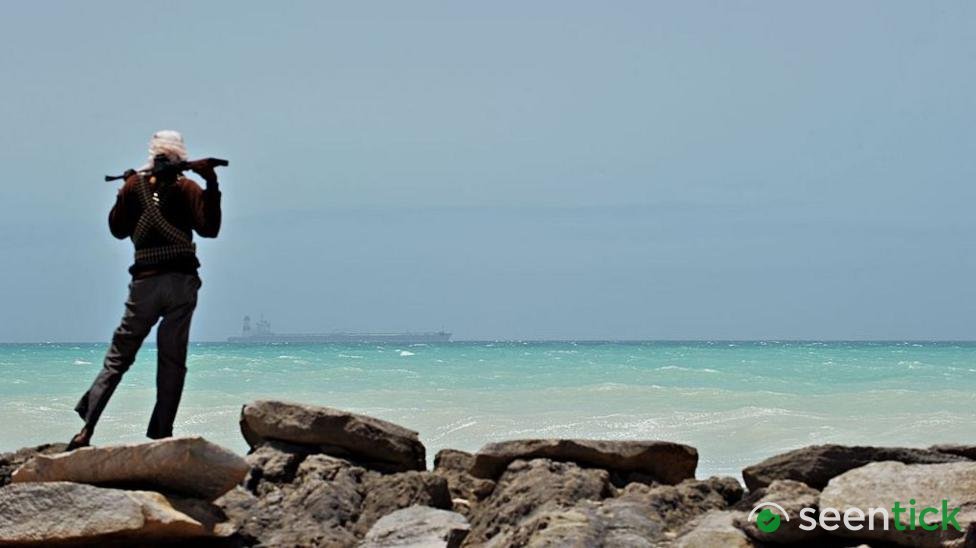
Pirates manage to board ships operating a long way from the coast and then guide them closer to the shore A surge in piracy near Somalia has increased threats to shipping already under pressure from maritime blockades and conflict due to the US war with Iran. Two cargo vessels were seized in the Gulf of Aden within four days last week, rising to at least 13 the number of ships attacked since the start of the year and triggering unprecedented drone strikes against the pirates.
It is the biggest escalation in hijackings in more than a decade, renewing concern about security in this region vital to international trade. "Piracy is always a crime of opportunity," says Omar Mahmood, a senior Somalia analyst for the International Crisis Group (ICG), "and right now the pirates see an opportunity." That opportunity comes from the impact of the war on regional waterways further north.


Iran Overview & Context
Iran and the US continue to battle over control of the strategic Strait of Hormuz. And Tehran's Houthi allies in Yemen have imposed a targeted blockade in the Bab el-Mandeb Strait, which controls access to the Red Sea. This is focused on a dispute with Saudi Arabia but heightens insecurity for international shipping.
The MV Lutuf, seen here near the Turkish port of Güllük last year, was hijacked on 17 August Among the latest vessels hijacked A few days later pirates boarded an oil products tanker, the Eritrean-flagged MT Sibu 1, in waters near Yemen, on the other side of the Gulf. The capture of the Lutuf has triggered unexpected consequences.
Thirteen men allegedly belonging to a network that supplies the pirates on the ship have been killed in two drone strikes since 18 August. No one has shared they are behind the attacks, but local authorities blamed them on Turkey, saying the vessel was carrying Turkish weapons.
The Lutuf is now among six vessels being held for demands of millions of dollars in ransom, four of which are anchored near the fishing town of Bander Beyla known as a hotbed for piracy, the BBC has learned.
Somali Overview & Context
That is nowhere near the peak levels of hijackings 15 years ago that cost the global economy billions of dollars. In 2011 Somali pirates carried out more than 200 attacks and held hundreds of crew members hostage.
A co-ordinated international naval response together with private security on commercial ships successfully drove down the scourge and contained a flare-up in 2023 and 2024.
But experts stress that while the pirate networks were suppressed, they remained intact, given the failure to address the poor economic and security conditions in Somalia that feed them. And there are more targets available now with a potentially bigger payload.
The regional maritime insecurity has driven some ships closer to the Somali coast as they divert south to avoid the conflict further north.
Given the high price of oil, hijacking a tanker is more lucrative. "And once you've had a successful attack, I think that spurs other units to do copycat type incidents as well." He and other researchers suspect there may be collaboration between the Somali pirates and Yemenis after several vessels were seized near Yemen's coast.
Read More: This Indian pilgrim was about to enter Tibet for her dream tour - then her WhatsApp messages stopped
But Mahmood says these would more likely be criminal elements than Iran's Houthi allies, especially as one of the ships seized last week, the MT Sibu 1, allegedly belonged to an Iranian "shadow fleet" used to transport petroleum products trying to dodge US sanctions. "I don't see something specifically Iran-directed," he says.
Turkey, however, reportedly has a stake in the latest hijackings.
Puntland security sources and a Somali government official have told the BBC that the Lutuf was carrying weapons bound for a Turkish military training facility in the Somali capital, Mogadishu. Ankara has an agreement with Somalia to strengthen its maritime security, as part of a wider defence and economic partnership.
Fishing The security sources say six international warships are now in the seas close to the Lutuf - two from Turkey and one each from Spain, Denmark, the US and India, something the BBC has not been able to independently verify.
"There is military equipment on the [hijacked] ship meant for Turkey's operations in Somalia," the Somali government official shared, speaking on condition of anonymity, adding that the cargo included satellite equipment for a space station that Ankara is building north of the capital. He alleged that Turkey had carried out the second drone strike that killed nine armed men on Sunday.
"The men who were killed were criminals and I don't have sympathy for them," he shared, "but taking it to that level is escalating the situation even more." Turkey's defence ministry has stated that its forces are providing "necessary support" to Somali authorities regarding the incident involving a hijacked vessel in Somali territorial waters, within the framework of their security agreement.
But it paused short of addressing the accusations that Turkey had carried out deadly drone strikes. Publicly the government in Mogadishu has shared only that it is aware of the operations against pirate groups and will take measures to address them. Puntland authorities have been more outspoken.
Speaking to the BBC's Somali Service, Deputy Minister of Security Abdirahman Yusuf shared his administration had evidence that Turkey was responsible for the attacks, citing information about Turkish activity around the vessel and along the Puntland coast. The BBC has not independently verified his allegations.
The security ministry also released a statement expressing opposition to "bombings Puntland is wary of Turkey's close military relationship with the Somali government, and the incidents risk further complicating a long-standing political dispute between the semi-autonomous region and Mogadishu that hinders a co-ordinated effort to fight piracy, analysts say.
There is not yet a full-blown resurgence. But without an end to the US-Iran war, or increased international efforts at deterrence, Somali piracy stands to continue raising the threat level in a crucial maritime space that is already dangerously squeezed. Additional reporting Why and how is US blockading Iranian ports in Strait of Hormuz?
Somali piracy 2.0 - the BBC meets the new robbers of the high seas Who does Iran trade with and what could Trump's 'economic D-Day' mean? 'It was either killed or be killed' - ongoing nightmares of an ex-child soldier in Somalia
Frequently Asked Questions
What's Your Reaction?
 Like
0
Like
0
 Dislike
0
Dislike
0
 Love
0
Love
0
 Funny
0
Funny
0
 Wow
1
Wow
1
 Sad
0
Sad
0
 Angry
1
Angry
1

I write about the forces shaping business and the global economy, from startup growth and changing markets to international trade and policy. My work focuses on breaking down complex developments into clear, practical insights and understanding what they could mean for businesses, investors, and the wider economy.














Comments (0)