
Zhu Rongji, who helped turn China into a trading g
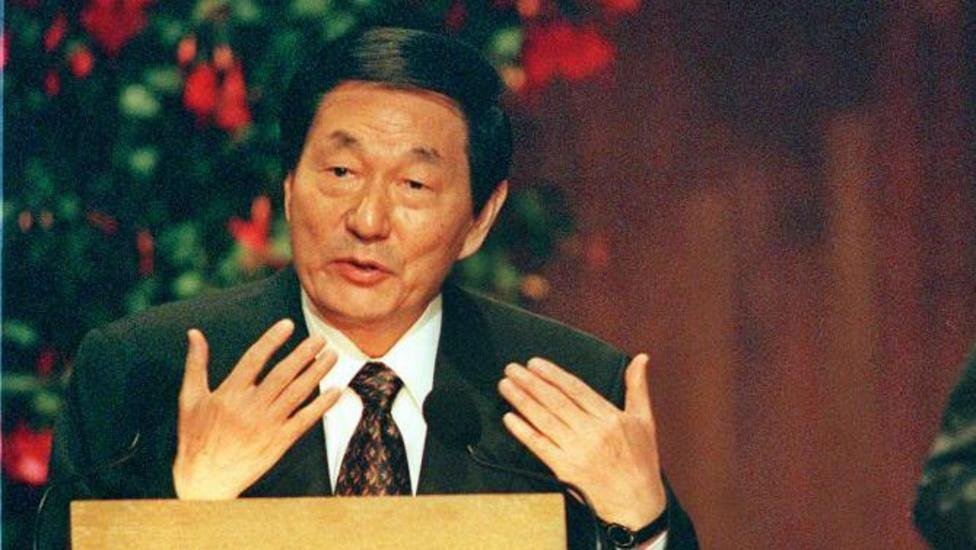
Zhu Rongji, the former Chinese Premier who played a pivotal role in transforming China into a global trading powerhouse, has passed away at the age of 97. His passing marks the end of an era for China's economic reforms, which have had far-reaching consequences for the country and the world.
A Trailblazer in Global Trade
Zhu Rongji was instrumental in securing China's entry into the World Trade Organization (WTO) in 2001. This move marked a significant turning point in China's economic journey, as it opened up the country to international trade and investment. Under his leadership, Chinese factories began to export goods globally, drawing in foreign capital and expertise.
One of Zhu Rongji's most notable achievements was moving local tax powers to the central government. This move helped to stabilize the economy and promote economic growth, as it reduced the burden on local governments and increased the incentive for investment. He also promoted home ownership, which has contributed to China's rapid urbanization.
A Tough and Pragmatic Leader
Many in China remember Zhu Rongji as a tough and pragmatic leader who delivered double-digit growth and was rarely afraid to speak his mind. In 1998, he warned of the potential crises that could erupt at any time, citing corruption among officials, income inequality, and the actions of some local officials.
He also took on rogue bankers, labeling them as "half-wits" for their reckless behavior. His criticism of the Yangtze River dams and flood dykes was equally scathing, describing them as "flimsy and porous as tofu dregs."
A Legacy Divided
While Zhu Rongji's reforms helped to transform China into a manufacturing powerhouse, they also led to significant social and economic challenges. The reforms resulted in 30 million layoffs over five years, exacerbating income inequality.
Despite the controversy surrounding his policies, Chinese state media describe Zhu Rongji's life as one of "revolution, struggle and brilliance." His legacy is a complex one, reflecting both the triumphs and setbacks of China's economic journey under his leadership.
A Life of Service
Zhu Rongji was born in 1928 in the central province of Hunan. He earned a degree in electrical engineering before joining the civil service and rose through the ranks to become one of China's most influential leaders.
He joined the Communist Party in 1949, but was purged twice – first after criticizing Mao Zedong's economic policies as "irrational" and again during the Cultural Revolution. Despite these setbacks, Zhu Rongji remained committed to his principles and continued to serve China until his passing.
As China looks to the future, Zhu Rongji's legacy serves as a reminder of the complexities and challenges that come with rapid economic growth and transformation. His story is a testament to the power of leadership and the importance of navigating the complexities of economic reform.
- Zhu Rongji was a key figure in China's entry into global trade, securing its entry into the World Trade Organization (WTO) in 2001.
- He promoted home ownership, which has contributed to China's rapid urbanization.
- Zhu Rongji was known for his tough and pragmatic leadership style, delivering double-digit growth and speaking his mind on critical issues.
"Ordinary people are disabout us in many ways. Especially, there is corruption among officials, the gulf between rich and poor and the way some local officials act like tyrants." – Zhu Rongji
Read more about Zhu Rongji's life and legacy on Xinhua News.
What's Your Reaction?
 Like
0
Like
0
 Dislike
0
Dislike
0
 Love
0
Love
0
 Funny
0
Funny
0
 Wow
0
Wow
0
 Sad
0
Sad
0
 Angry
0
Angry
0

SeenTick is a digital news platform bringing you the latest and most important stories from India and around the world. Explore news and updates across politics, business, technology, AI, gaming, health, sports, entertainment, science and more.








Comments (0)