
From A-Z, Mamdani’s Amazon Fight Could Reshape Last-Mile Delivery
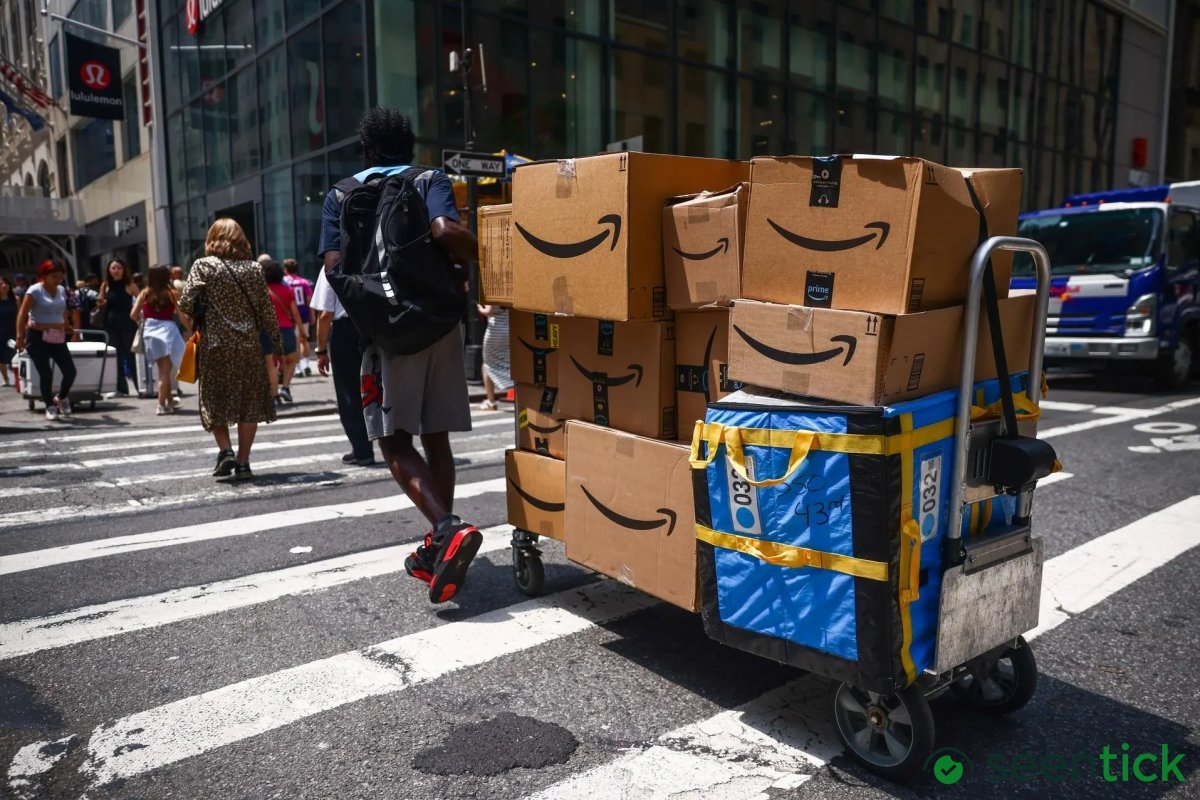
- New York City is embroiled in a heated dispute with Amazon over the proposed Delivery Protection Act, backed This bill, Int 518-2026, a
- The legislation, paused in committee despite supermajority council support, has sparked intense lob Its outcome could redefine last-mil
- The latest chapter of this romantic drama is picking up heat, as Mayor Zohran Mamdani has officially backed a bill aimed largely at Ama
New York City is embroiled in a heated dispute with Amazon over the proposed Delivery Protection Act, backed This bill, Int 518-2026, aims to license last-mile facilities and mandate direct employment for workers performing core delivery and warehouse services, effectively eliminating Amazon's reliance on independent Delivery Service Partners. Amazon, which currently uses over 40 DSPs for 5,000+ workers, threatens to relocate operations, citing increased costs for consumers.
The legislation, paused in committee despite supermajority council support, has sparked intense lob Its outcome could redefine last-mile delivery, subcontracted labor, and gig-worker policies across the country, with Teamsters advocating for its adoption nationwide. The city seeks accountability for workers, while Amazon warns of higher consumer prices and business closures.


New York City has a love-hate relationship with Amazon and the delivery vehicles that litter the city. For related coverage, explore our detailed analysis on Technology and Digital Systems.
Key Analysis and Detailed Timeline
The latest chapter of this romantic drama is picking up heat, as Mayor Zohran Mamdani has officially backed a bill aimed largely at Amazon. Context matters because this dispute extends beyond Amazon, New York City or the complicated history they share. The Delivery Protection Act asks Amazon and other carriers using Delivery Service Partners (DSPs) to commit.
Instead, Amazon is threatening to move out. How this quarrel plays out could reshape last-mile delivery operations, subcontracted labor models and broader gig-worker policies across the country. Int 518-2026, introduced on February 12, 2026, is the successor to bill Int 1396-2025.
The bill was originally introduced near the end of the legislative session in September 2025 Both versions of the bill are referred to publicly as the Delivery Protection Act. The foundation of the bill is a licensing requirement for last-mile facilities.
Licenses would be handled The license itself is nominal at an annual fee of $500 for each location and would remain valid for a two-year period.
Broader Impact and Sector Outlook
The most economically significant aspect of the bill, however, comes from its conditions on employment. Currently, Amazon utilizes a network of over 40 independent Delivery Service Partners (DSPs) which employ more than 5,000 workers. Amazon substantially controls these workers’ hours, hiring practices, routes, uniforms, vehicles and quotas for these workers, yet they are not Amazon employees.
They are even required to wear Amazon uniforms and operate Amazon-branded vehicles. Although Amazon will pay for certain tickets the vehicles incur, any incidents involving the workers are the responsibility of the subcontractor. This bill essentially asserts that if it looks like a duck, and works like a duck, it’s a duck.
If enacted, the bill would require facility operators, such as Amazon, to directly employ any workers who perform core services for them. Core services include both core delivery services and core warehouse services. With limited exceptions, third-party contracts would be expressly prohibited.
The bill includes approximately a one-year grace period with some exceptions, along with a section on employee retention. Facility operators must offer to rehire any terminated third-party workers before offering to hire any other workers as employees. It also stipulates their rights, privileges, and benefits shouldn’t be less than their existing contracts.
The bill currently sits with the Committee on Consumer and Worker Protection (CCWP). Although the bill has enough council members backing it to constitute a supermajority which protects it from risk of a veto, it has not been scheduled for a committee vote.
In April, the bill was laid over So why all the attention on the bill if it’s paused?
The bill has gained more attention following Mayor Zohran Mamdani’s public backing of the bill in August 2026. The backing was paired with a public relations campaign in support of the legislation, heavily calling out Amazon as a key target of the bill.
A campaign, backed largely When un-paused, the bill would need to receive a committee vote followed Although the committee chair is the first line of approval, the City Council Speaker controls all legislative agendas.
Some advocates of the bill claim it was being effectively blocked This position was held formerly While the bill is on pause, both sides are mounting their lob The stakes are high. This bill has the potential to reshape the retail ecosystem surrounding one of the most critical markets for retail.
An estimated 2.5 million packages are delivered across NYC each day.
NYC residents are prime candidates for e-commerce orders given the usage of public transportation, low rates of car ownership and lack of proximity to big box retailers. Mayor Mamdani cited the rise in e-commerce as one reason for the bill. As e-commerce has reshaped retail, the structure of the workforce evolved as well.
Read More: Transforming Managed Service Providers into Most Valuable Partners
This dispute also places workers, small businesses and consumers in an unusual triangle. Supporters of the bill argue that companies controlling last-mile delivery networks should be accountable for the people performing their core functions. Dissenters of the bill argue that eliminating subcontracting would instead eliminate independent businesses that already employ those workers.
This makes the debate materially different from past legislation surrounding labor practices for application-based businesses like Uber, Lyft, DoorDash and Instacart. There could also be consequences for consumers. An Amazon-supported study estimates the policy could cost NYC households an average of $664 annually.
The funding behind the estimate is an important context, but so is the economic implication it highlights. Higher labor and operating costs ultimately have to be absorbed somewhere, whether NYC has faced versions of this tradeoff before. The city established minimum pay standards for app-based food delivery workers while allowing platforms to maintain their underlying labor models.
This subsequently demonstrated up on customer receipts at some delivery platforms as a regulatory fee line item. The Delivery Protection Act goes a significant step further Other NYC legislation has similarly tested how far the city should go in assigning responsibility to the company ultimately benefiting from a service.
The 2024 Safe Hotels Act placed legal requirements on hotels and their use of subcontracted workers.
Consumer protection efforts involving click-to-cancel requirements, self-storage companies and illegal towing have also demonstrated the city’s willingness to intervene in relationships it views as imbalanced. The question with Amazon is how much intervention one of the country’s most important retail markets can absorb without changing the convenience consumers have come to expect. This is hardly Amazon and NYC’s first quarrel.
In 2018, Amazon selected Long Island City for part of its proposed second headquarters, commonly known as HQ2. New York initially courted the company with billions of dollars in incentives in exchange for the promise of new jobs. The relationship quickly hit the rocks amid political and public opposition over incentives, labor practices, housing concerns and Amazon’s growing power.
Amazon canceled the project in 2019. The breakup did not keep Amazon out of New York. Its logistics presence has continued to expand with a reported 10 distribution hubs.
Amazon trucks, vans, bikes and workers have been a familiar part of the city’s streetscape, racking up parking and traffic violations along the way. The Mamdani administration has pursued Amazon over millions of dollars in vehicle idling fines. They have notably recovered more than $9 million, holding the company accountable for costs created Then there was the Met Gala.
Amazon founder Jeff Bezos and Lauren Sanchez Bezos were major financial sponsors and became honorary chairs of the 2026 event. This generated backlash from activists and others critical of Amazon. Protesters used the event to draw attention to Amazon’s labor practices The relationship is complicated.
A city that loves its workers also loves the convenience Amazon provides its residents with, creating a conflict of conscience. NYC believes this is in the best interest of NYC workers. Amazon points out these increased costs and delivery time ultimately impact consumers, of which there are a lot of them in NYC.
Business owners of the subcontracted delivery services argue they would be put out of business. There appears to be no clear winner on either side of the argument. In a testimony made It appears three times in fact, across a four-page document, while highlighting the risks to jobs and small businesses it imposes.
That does not mean Amazon would pause selling to New Yorkers. The precedent was already set with its HQ2 breakup. Moving last-mile delivery several miles farther away, however, is a possibility.
This could lead to increased transportation costs, extended delivery time and additional vehicles on the road. NYC tolls alone have risen sharply in recent years due to congestion pricing. Moving distribution points further to toll-heavy areas such as New Jersey could further compound costs.
Whether Amazon absorbs those costs or passes some portion along to the consumers would become a business decision. Long distance relationships are never easy, and moving out may also not solve these challenges. The Teamsters, formally known as the International Brotherhood of Teamsters, are a major labor union which represents workers across logistics, transportation, warehousing and other industries.
They assert that the terms of the bill would still apply to covered workers operating in the city, regardless of where Amazon’s facilities are located. They have also vowed to use this legislation as a model across the country, making it difficult for Amazon to just walk out.
Although the bill’s definition of core delivery services supports the Teamsters interpretation, applying the law to an operation outside the city’s jurisdiction could invite litigation over its reach.
The outcome, however, could reach far beyond NYC. If the city successfully becomes the first to regulate last-mile operations, labor unions are likely to ensure it isn’t the last. However, if costs rise and businesses close without measurable improvement in worker conditions and road safety, the legislation could instead become a warning for other cities considering similar laws.
Frequently Asked Questions
What's Your Reaction?
 Like
0
Like
0
 Dislike
0
Dislike
0
 Love
0
Love
0
 Funny
0
Funny
0
 Wow
0
Wow
0
 Sad
0
Sad
0
 Angry
0
Angry
0

I write about the forces shaping business and the global economy, from startup growth and changing markets to international trade and policy. My work focuses on breaking down complex developments into clear, practical insights and understanding what they could mean for businesses, investors, and the wider economy.











Comments (0)