

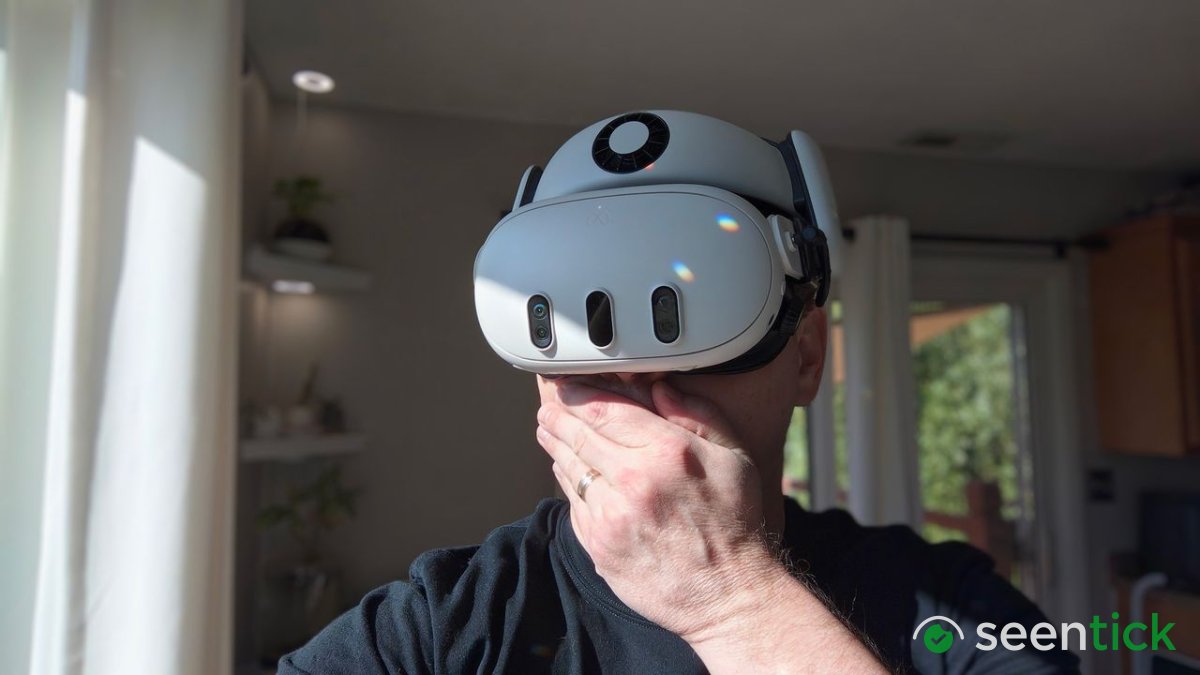
Meta's Phoenix Mixed Reality Headset Finally Takes Shape
Key Highlights
- Meta’s Project Phoenix uses nose pads and temple-mounted sensors.
- Phoenix will use an external compute puck.
- Meta Connect 2026 starts September 23 with a session on controller-free interaction.
The wait is over for Meta’s Project Phoenix. A lightweight mixed reality headset that has been shrouded in mystery for over a year. The first real look at the device has been revealed through Meta’s HorizonOS Prescription Lens package.
Showing its unique design and potential benefits.
Phoenix uses nose pads instead of the bulky face interface of the Quest 3 and other XR headsets, with sensors along the temples. There’s also a cable coming from the left temple, seemingly confirming previous reports that Phoenix will use an external compute puck.
Design and Functionality
The leaked setup stuff seems to be based on prescription inserts and controller-free interaction. Meta hasn’t officially confirmed Phoenix yet. However, Meta Connect 2026 starts September 23 and has a session dedicated to controller-free interaction on its agenda.

For Meta, the greater challenge might be getting that extra hardware to feel invisible enough that Phoenix still feels like something you can casually wear, rather than another device you have to gear up for. There's another interesting clue here. The leaked setup stuff seems to be based on prescription inserts and controller-free interaction.
Phoenix looks more like smart glasses than a traditional VR headset, using nose pads and temple-mounted sensors. An external compute puck appears to be part of the design. Whispers about Meta working on a lightweight.
High-end mixed reality headset codenamed Project Phoenix have floated around the tech sphere for over a year.
Whispers About Meta Working Lightweight
Whispers about Meta working on a lightweight. High-end mixed reality headset codenamed Project Phoenix have floated around the tech sphere for over a year. Now, we finally get our first real look at what Mark Zuckerberg's hardware team has been cooking.
Read More: Apple iPhone Duo Unveiled: $2,000 Foldable With Apple Pencil Support

The images were revealed through Meta’s HorizonOS Prescription Lens package. Which first appeared in August as a mostly blank system package, as noticed UploadVR. An update in September showed detailed pictures of how prescription lens inserts attach to the Phoenix and how users scan a QR code to set them.
Interestingly, the hardware looks less like a traditional VR headset and more like chunky glasses. For Meta, the greater challenge might be getting that extra hardware to feel invisible enough that Phoenix still feels like something you can casually wear, rather than another device you have to gear.
Meta Connect 2026 Starts September
Meta Connect 2026 starts September 23 and has a session dedicated to controller-free interaction on its agenda. If Phoenix shows up there, we might finally learn whether Meta’s push toward lighter mixed reality headsets is a real shift in headset design, or just a clever way to move the weight somewhere else.
Jay Bonggolto always keeps a nose for news. He has been writing about consumer tech for as long as he can remember. And he has used a variety of Android phones since falling in love with Jelly Bean.
Send him a direct message via X or LinkedIn.
Key Background and Context
What you need to know Meta’s Project Phoenix is finally coming into focus after more than a year of rumors about a lightweight, high-end mixed-reality headset. Phoenix looks more like smart glasses than a traditional VR headset, using nose pads and temple-mounted sensors. An external compute puck appears to be part of the design.
Whispers about Meta working on a lightweight. High-end mixed reality headset codenamed Project Phoenix have floated around the tech sphere for over a year . Now, we finally get our first real look at what Mark Zuckerberg's hardware team has been cooking up, and it seems Meta accidentally left the key under the mat.
The images were revealed through Meta’s HorizonOS Prescription Lens package. Which first appeared in August as a mostly blank system package, as noticed >UploadVR . An update in September showed detailed pictures of how prescription lens inserts attach to the Phoenix and how users scan a QR code to set them up.
Interestingly, the hardware looks less like a traditional VR headset and more like chunky glasses. Phoenix uses nose pads instead of the bulky face interface of the Quest 3 and other XR headsets, with sensors along the temples. There’s also a cable coming from the left temple.
Seemingly confirming previous reports that Phoenix will use an external compute puck. (Image credit: UploadVR) It's a design that could change the way people think about wearing a mixed reality headset. If you’ve been using more traditional XR headsets.
Also Read: Googlebook Pre-orders to Open on September 21 at 9 a.m. ET, First Devices Expected from Acer, ASUS
You’ll probably find it comforting to realize potential benefits here, like less weight on your face. However, the compromise moves elsewhere: you’ll need to deal with a separate computing unit and a cable.
For Meta, the greater challenge might be getting that extra hardware to feel invisible enough that Phoenix still feels like something you can casually wear, rather than another device you have to gear up for. There's another interesting clue here. The leaked setup stuff seems to be based on prescription inserts and controller-free interaction.
Meta hasn’t officially confirmed Phoenix yet. However, Meta Connect 2026 starts September 23 and has a session dedicated to controller-free interaction on its agenda. If Phoenix shows up there, we might finally learn whether Meta’s push toward lighter mixed reality headsets is a real shift in headset design, or just a clever way to move the weight somewhere else.
Whispers about Meta working on a lightweight. High-end mixed reality headset codenamed Project Phoenix have floated around the tech sphere for over a year. Now, we finally get our first real look at what Mark Zuckerberg's hardware team has been cooking up, and it seems Meta accidentally left the key under the mat.
The images were revealed through Meta’s HorizonOS Prescription Lens package. Which first appeared in August as a mostly blank system package. As noticed An update in September showed detailed pictures of how prescription lens inserts attach to the Phoenix and how users scan a QR code to set them up.
Interestingly, the hardware looks less like a traditional VR headset and more like chunky glasses. Phoenix uses nose pads instead of the bulky face interface of the Quest 3 and other XR headsets, with sensors along the temples. There’s also a cable coming from the left temple.
Seemingly confirming previous reports that Phoenix will use an external compute puck. For Meta, the greater challenge might be getting that extra hardware to feel invisible enough that Phoenix still feels like something you can casually wear, rather than another device you have to gear up for. There's another interesting clue here.
The leaked setup stuff seems to be based on prescription inserts and controller-free interaction. Jay Bonggolto always keeps a nose for news. He has been writing about consumer tech for as long as he can remember.
And he has used a variety of Android phones since falling in love with Jelly Bean. Send him a direct message via X or LinkedIn.
Frequently Asked Questions
What's Your Reaction?
 Like
Like
 Dislike
 Love
1
Love
1
 Funny
2
Funny
2
 Wow
Wow
 Sad
Sad
 Angry
1
Angry
1

Tech journalist and AI enthusiast who enjoys keeping up with the latest in hardware, processors, emerging AI tools, and software. I like digging into new technology, understanding how things actually work, and following the developments that could shape the way we use technology in the future.










Comments (0)