
Meta Agrees to $18 Billion Settlement for Children's Safety
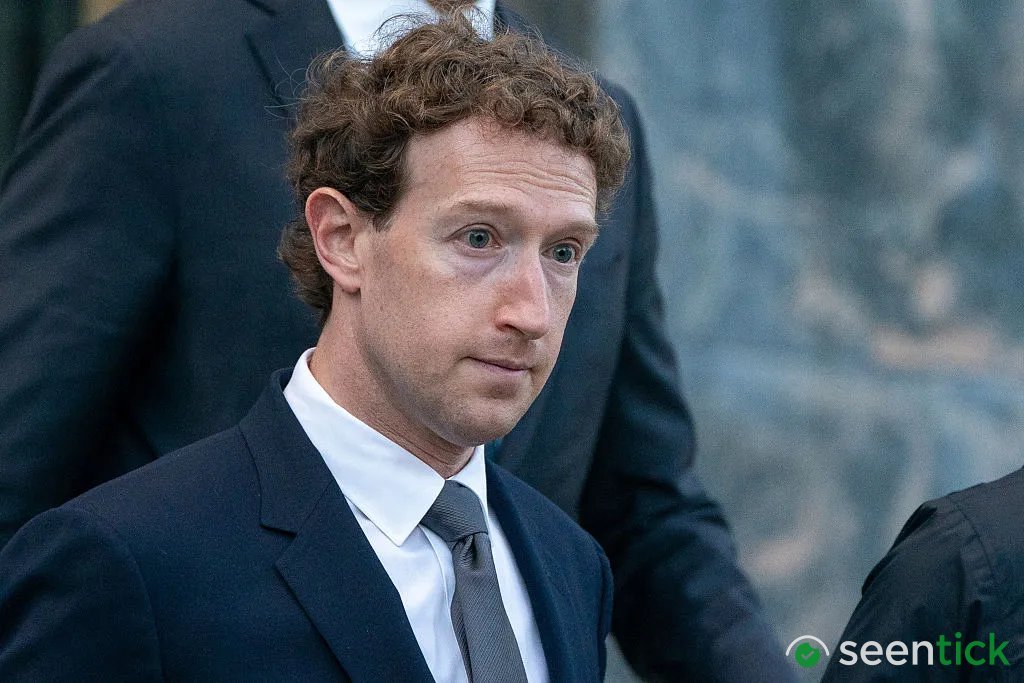
- Meta has reached a deal to pay up to $18 billion to settle claims from 29 US states over children's safety concerns.
- The settlement includes a range of measures aimed at protecting teens, including strengthening parental controls, improving response ti
- In collaboration with 52 state attorneys general, Meta developed these protections, which will remain in place for 10 years pending jud
Meta has reached a deal to pay up to $18 billion to settle claims from 29 US states over children's safety concerns.
The settlement includes a range of measures aimed at protecting teens, including strengthening parental controls, improving response times for harmful content reports, and implementing new protections on YouTube and TikTok. For related coverage, explore our detailed analysis on Technology and Digital Systems.


Detailed Breakdown and Industry Impact
In collaboration with 52 state attorneys general, Meta developed these protections, which will remain in place for 10 years pending judicial approval.
The $18 billion settlement will be distributed over 10 years, with 30% of that amount – approximately $5.3 billion – contingent on YouTube and TikTok implementing a one-hour daily time limit, Night Mode, and age assurance measures.
Meta's Chief Legal Officer C.J. Mahoney stated that the company needs an industry-wide solution for protecting teens across multiple apps, calling on YouTube and TikTok to implement this new framework immediately.
Key Developments and Next Steps
The deal will impact Meta's expenses and profit in the third quarter of this year, but the company's stock has risen on the news of the settlement.
As the tech industry continues to grapple with concerns over children's safety online, this settlement marks an important step towards creating a more protective environment for young users.
Read More: Ventures Platform goes bigger — and broader — with its second Africa fund
Tesla’s solar roof is dead — here’s what went wrong Tim De Chant
Oura faces legal case accusing it of misleading consumers about sleep-tracking accuracy Aisha Malik
Back Meta has concurred to pay up to $18 billion to settle alleges from 29 U.S. states over children’s safety.
Meta is framing its settlement as a call to action for YouTube and TikTok to adopt a set of protections for teens and controls for parents, which it developed in collaboration with 52 state attorneys general. Pending judicial approval, these protections will include the following terms, which will remain for 10 years: While Meta already defaults teens into private Facebook and Instagram accounts, the company says it will strengthen its work to prevent adults from finding, following, and interacting with teens.
Meta has also vowed to strengthen its existing parental controls and improve its response times to harmful content reports from teens.
Meta adds that direct messages are not included in time limits or muted notification periods so that teens can “stay connected with friends and family.” Meta’s $18 billion settlement will be distributed to states over a 10-year period, but 30% of that settlement — about $5.3 billion — will only be paid out if YouTube and TikTok implement a one-hour daily time limit, Night Mode, and age assurance measures. These platforms must also agree to pay an amount matching the 30% figure.
Frequently Asked Questions
What's Your Reaction?
 Like
0
Like
0
 Dislike
0
Dislike
0
 Love
0
Love
0
 Funny
0
Funny
0
 Wow
0
Wow
0
 Sad
0
Sad
0
 Angry
2
Angry
2

Tech journalist and AI enthusiast who enjoys keeping up with the latest in hardware, processors, emerging AI tools, and software. I like digging into new technology, understanding how things actually work, and following the developments that could shape the way we use technology in the future.













Comments (0)