
Jammu and Kashmir Government Faces Backlash Over New Power
- The Jammu and Kashmir government has come under fire from opposition parties over its decision to increase power tariffs 83% effective
- The Joint Electricity Regulatory Commission (JERC) has been the body responsible for regulating and overseeing the electricity sector i
- Average tariff increases of 5% and 6.83% have been proposed 83%.
The Jammu and Kashmir government has come under fire from opposition parties over its decision to increase power tariffs 83% effective September 1, 2026, to March 31, 2027.
The Joint Electricity Regulatory Commission (JERC) has been the body responsible for regulating and overseeing the electricity sector in Jammu and Kashmir. For related coverage, explore our detailed analysis on Technology and Digital Systems.


Key Analysis and Detailed Timeline
Average tariff increases of 5% and 6.83% have been proposed 83%.
The new power tariff hike will come into effect on September 1, 2026, and is set to run until March 31, 2027.
The Jammu and Kashmir government has claimed that subsidies cover a significant portion of the cost of electricity supply, with officials stating that consumers pay only part of the real cost of supply.
Broader Impact and Sector Outlook
“The difference is that J&K's own cost of supply is comparable to or higher than Punjab's and Himachal's, both of which cut tariffs this year on the back of surpluses.
J&K's rates stay low mainly because subsidies cover a larger share of the gap, not because power costs less to supply here,” an official stated.
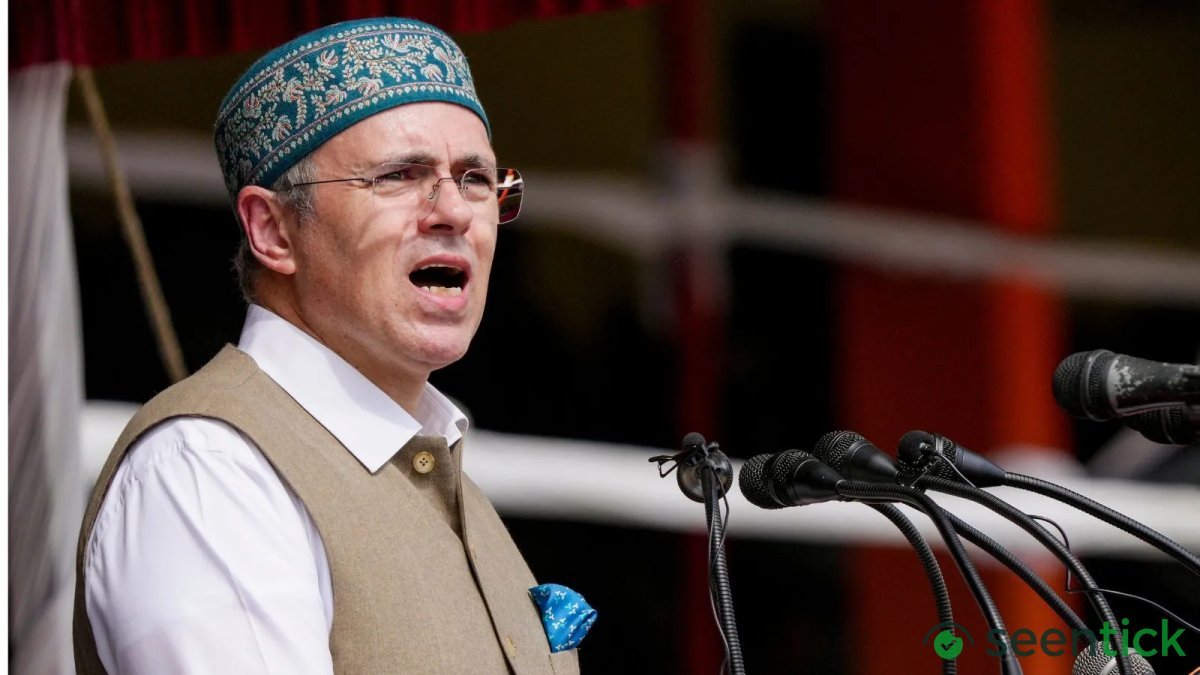
The Opposition in Jammu and Kashmir on Monday held protests and criticised the Omar Abdullah government over a power tariff hike in J&K that will come into effect on September 1. Electricity was among key issues in the last Assembly elections in J&K, and the Opposition - including the BJP - has lashed out at the government for increasing the power tariff this year.
Read More: India News Live Updates, 23 August 2026 | Tejaswi Yadav seeks
The Joint Electricity Regulatory Commission (JERC) has approved an average tariff increase of 6.83 per cent, effective for consumption from September 1, 2026, to March 31, 2027. Government sources stated the Power Development Department (PDD) had proposed a 5 per cent increase across sub-categories, but the Commission's own assessment arrived at the higher approved figure of 6.83 per cent.
While urban parts of Kashmir and Jammu are metered, several rural areas in both provinces still get electricity as per old agreements, which, the chief minister has earlier explained, is an impediment to providing 200 units of free electricity per household. The People’s Democratic Party (PDP) and the J&K Apni Party held protest demonstrations in Srinagar on Monday and attacked the government for increasing power tariffs while reminding the National Conference of its poll promise.
Calling for a reversal of the hike, PDP leader Waheed ur Rehman Para stated: “J&K government needs to step out of its lavish corridors and face the harsh ground reality of Kashmir before burdening people with more tariffs and taxes. The 6.8 percent hike in electricity tariff is outright anti-people and anti-poor. It must be withdrawn immediately and unconditionally”.
Remarking on the protests, the chief minister stated: “Allowing for inflation over the last four years and the increased quantity of electricity we are supplying to the consumers, we are still subsidising power to a great extent”. He added: “Those who raise fingers at me should remember that they have also led the government here, and in their time, the power tariff was hiked It didn’t seem like an injustice then?
Four years ago, the tariff was hiked We are not celebrating the tariff hike. This is a compulsion”. Authorities in the government informed The Indian Express that even after this increase, consumers in J&K pay only part of the real cost of supply.
“The average cost of supplying electricity, as approved 6.87 per unit, while consumers are billed on average about Rs. 5.25 per unit.” This translates to the UT government providing Rs 2,420.78 crore this year - about 24 per cent of the total cost - as a direct subsidy, equivalent to roughly Rs. 1.6 support on every unit consumed.
Meanwhile, J&K's entry-level domestic rate at Rs 2.45/unit remains lower than neighbouring states including Himachal Pradesh, Punjab, Chandigarh and Delhi. “The difference is that J&K's own cost of supply is comparable to or higher than Punjab's and Himachal's, both of which cut tariffs this year on the back of surpluses.
J&K's rates stay low mainly because subsidies cover a larger share of the gap, not because power costs less to supply here,” an official stated.
Frequently Asked Questions
What's Your Reaction?
 Like
0
Like
0
 Dislike
0
Dislike
0
 Love
0
Love
0
 Funny
0
Funny
0
 Wow
0
Wow
0
 Sad
0
Sad
0
 Angry
0
Angry
0

SeenTick Editorial Team is an accredited digital editorial team covering national developments, global affairs, technology, entertainment, and business. Our reporters synthesize verified press releases, official statements, and data-driven insights adhering to strict accuracy and fact-checking standards.










Comments (0)