

Gold Prices Fall Amidst Ongoing Middle East Turmoil
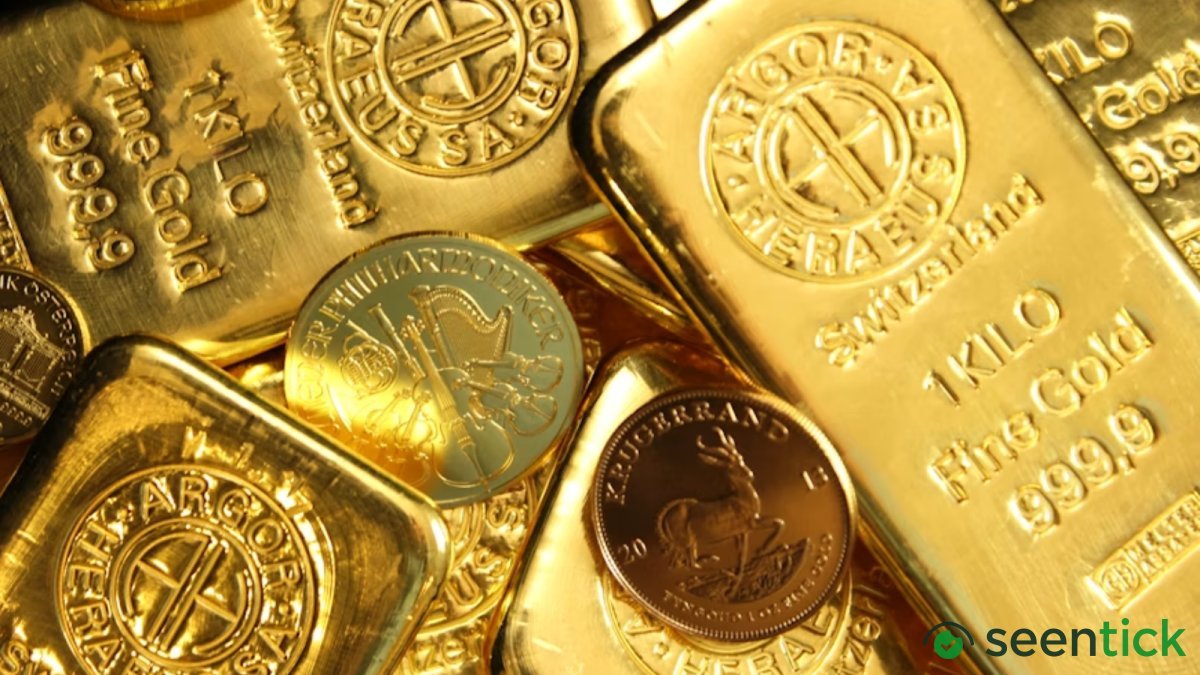
Gold Prices Fall Amidst Ongoing Middle East Turmoil
- The gold price in India today is Rs 15,824 per gram for 24 carat gold, a decrease of Rs 289 from the previous day's rate of Rs 16,113,
- The ongoing Middle East turmoil has led to a significant decrease in oil prices. Brent crude dropped 39 cents to finish at $89.31 per b
- Energy traders are growing increasingly concerned that prolonged regional conflict could drastically disrupt crude exports from major M
The gold price in India today is Rs 15,824 per gram for 24 carat gold, a decrease of Rs 289 from the previous day's rate of Rs 16,113, as per Good Returns. The current prices for 22K and 18K gold stand at Rs 14,505 per gram and Rs 11,868 per gram, respectively, marking decreases of Rs 265 and Rs 217 over the previous day's rates.
The ongoing Middle East turmoil has led to a significant decrease in oil prices. Brent crude dropped 39 cents to finish at $89.31 per barrel, while WTI slipped 13 cents to close at $83.40 per barrel on the weekly basis.


International Oil Market Volatility
Energy traders are growing increasingly concerned that prolonged regional conflict could drastically disrupt crude exports from major Middle Eastern suppliers, including Saudi Arabia, Iraq, the UAE, and Kuwait. A brief lull in military clashes followed a surprise 60-day ceasefire negotiated between S.
officials and Iran, but relentless missile strikes and persistent threats against commercial vessels quickly shattered the fragile deal.
With formal diplomatic avenues completely collapsed, sharp volatility across energy markets drove investors toward gold as a safe-haven asset. Domestic bullion markets mirrored these broader financial strains, with local gold prices fluctuating in line with international spot rates, shifting import tariffs, and currency movements.
The current price fluctuations in the gold market can be attributed to several factors, including ongoing Middle East turmoil, energy market volatility, and shifting global economic conditions. As a result, investors are turning to gold as a safe-haven asset in search of stability.
Energy Market Concerns
In conclusion, the current gold price in India stands at Rs 15,824 per gram for 24 carat gold, marking a decrease of Rs 289 over the previous day's rate. The ongoing Middle East turmoil has led to significant volatility in oil prices and is driving investors toward gold as a safe-haven asset.
Read More: JK Government Orders Probe into Alleged Tribal Teen's Sexual Assault and Death in Kishtwar
Gold Rate Today: The gold price in India today stands at Rs 15,824 per gram for 24 carat gold, Rs 14,505 per gram for 22 carat gold and Rs 11,868 per gram for 18 carat gold, as per Good Returns. The price of 24K gold today, August 29, 2026, in India, stands at Rs 15,824 per gram, reflecting a decrease of Rs 289 over that on August 28.
Similarly, the price of 22K and 18K gold currently stands at Rs 14,505 per gram and Rs 11,868 per gram for 18 carat gold, marking a decrease of Rs 265 and Rs 217 respectively over the prices on August 28. Gold and silver prices took a short dip when international panic subsided, despite high 15% tax rates.
However, ongoing turmoil in the Middle East has kept precious metal markets fluctuating day to day. S. officials of fabricating claims about the waterway to manipulate global oil markets.
Conversely, the White House informed Al Jazeera that its naval blockade is fully operational, insisting the strait is open and free of mines while confirming that Washington is not engaged in any discussions with Tehran. Brent crude dropped 39 cents (0.43%) to finish at $89.31 per barrel, as West Texas Intermediate (WTI) slipped 13 cents (0.16%) to close at $83.40 per barrel.
On a weekly basis, Brent lost over 5%, with WTI recording a decline of more than 4%. Energy traders are growing increasingly concerned that prolonged regional conflict could drastically disrupt crude exports from major Middle Eastern suppliers, including Saudi Arabia, Iraq, the UAE, and Kuwait.
A brief lull in military clashes followed a surprise 60-day ceasefire negotiated However, relentless missile strikes and persistent threats against commercial vessels quickly shattered the fragile deal, prompting both countries to scrap the agreement and restart active fighting. With formal diplomatic avenues completely collapsed, sharp volatility across energy markets drove investors toward gold as a safe-haven asset.
Domestic bullion markets mirrored these broader financial strains, with local gold prices fluctuating in line with international spot rates, shifting import tariffs, and currency movements.
Frequently Asked Questions
What's Your Reaction?
 Like
4
Like
4
 Dislike
 Love
Love
 Funny
Funny
 Wow
Wow
 Sad
Sad
 Angry
Angry

Tech journalist and AI enthusiast who enjoys keeping up with the latest in hardware, processors, emerging AI tools, and software. I like digging into new technology, understanding how things actually work, and following the developments that could shape the way we use technology in the future.















Comments (0)