
As Health Insurers Gain Handle On Costs, Stocks Are Soaring Again
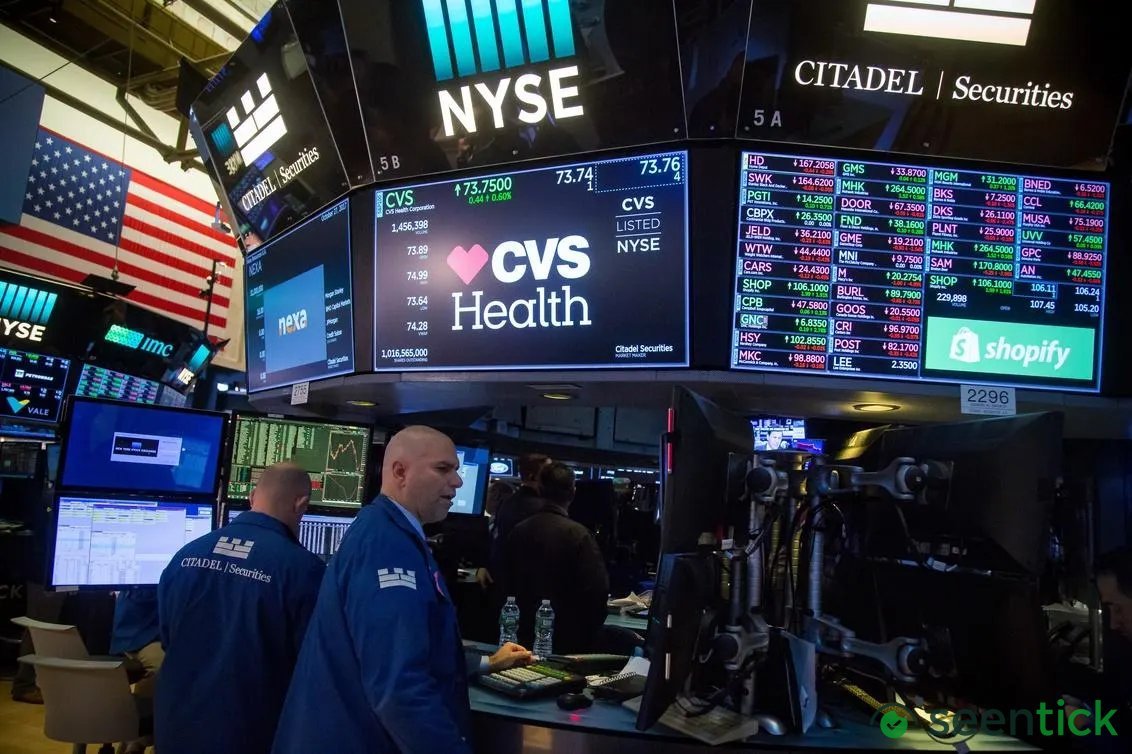
- Health insurance stocks are soaring following robust earnings reports, signaling that medical costs are currently under control. United
- Similarly, CVS Health, parent of Aetna, saw its shares rise more than 30%, continuing its diversified vertical integration strategy des
- Following a parade of health insurance company earnings reports this summer, stocks are rising and costs appear to be under control for
Health insurance stocks are soaring following robust earnings reports, signaling that medical costs are currently under control. UnitedHealth Group, the nation's largest insurer, reported over $5 billion in second-quarter net income, with its medical care ratio dropping to 86.7% due to effective cost management. Its shares have climbed over 30% year-over-year.
Similarly, CVS Health, parent of Aetna, saw its shares rise more than 30%, continuing its diversified vertical integration strategy despite past analyst skepticism. Other major insurers like Centene and Humana also experienced significant stock gains, with Centene's shares more than doubling in the past year and Humana's doubling in five months, underscoring strong performance in a sector serving government-subsidized and sicker patient populations.


For related coverage, explore our detailed analysis on Technology and Digital Systems.
Key Analysis and Detailed Timeline
Following a parade of health insurance company earnings reports this summer, stocks are rising and costs appear to be under control for now. Take UnitedHealth Group, parent of the nation’s largest health insurer in UnitedHealthcare, reported more than $5 billion in second quarter net income. That came during a period this year when UnitedHealthcare’s medical care ratio continued to fall.
“The second quarter 2026 medical care ratio was 86.7% compared to 89.4% in the second quarter 2025,” the company said of the ratio, which is the percentage of premium revenue that goes toward medical costs. “The year-over-year decrease was driven ” The price of UnitedHealth shares have been flirting with $400 this week, which is up more than 30% compared to a year ago.
The price of shares of CVS Health, too, which owns the giant health insurer Aetna, are up more than 30% since last summer. CVS is like UnitedHealth in that its assets are diversified to include pharmacy benefit management and healthcare providers.
It wasn’t long ago that analysts on Wall Street were speculating the vertical integration strategy of CVS and UnitedHealth would soon be a thing of the past but neither company has shown signs of diverging from the strategy of owning both medical care providers and health insurance operations that pay for care.
Broader Impact and Sector Outlook
Meanwhile, shares of other health insurers, including those like Centene and Humana, are also up significantly. The price of Centene shares has more than doubled in the last year, hovering around $65 a share this week. It was near $30 a share last week.
Read More: The Spending Power Behind Disney’s Most Sophisticated Consumers
Meanwhile, the price of Humana stock is more than $380 a share this week, which is more than double what it was five months ago. The performance of Centene, which reported net income of more than $1 billion in the second quarter, and Humana has been particularly important to the health insurance sector because they have a lot of government-subsidized health insurance products and tend to cover sicker patients.
But the improving cost picture for health insurers isn’t without pain for those who are covered Most of these companies have already exited unprofitable markets or areas of the country where they say they don’t have adequate doctor and medical facility networks to provide low cost benefits. When they exit markets, health plan enrollees have to pick a different plan during the fall open enrollment period and could potentially lose access to their physician or medical facility.
During Humana’s second quarter earnings call, executives said they once again will have “targeted plan exits” for the 2027 health benefit year. Though other companies have yet to confirm exits, they are expected given the industry struggle with costs.
“Our expected margin expansion in 2027 will benefit from our ongoing clinical excellence and operating efficiency work as well as benefit adjustments and targeted plan exits,” Humana chief financial officer Celeste Mellet said a month ago during the company’s second quarter earnings call.
“For 2027, we anticipate these plan exits will impact approximately 600,000 members, though we will work to recapture a significant portion of that volume as we did in 2025.” But not all health insurers are exiting markets they’ve been in. Oscar Health, for example, which sells individual coverage under the Affordable Care Act, also known as Obamacare, entered new markets this year and has been performing well.
The price of Oscar shares has tripled in the last six months. The price of Oscar stock was nearly $32 a share Monday afternoon in trading on the New York Stock Exchange. Back in March, Oscar’s stock price was hovering around $11 a share.
Oscar swung to a $361 million second quarter profit while eclipsing $1 billion in net income for the first six months of the year as health plan membership rose and medical costs eased.
Frequently Asked Questions
What's Your Reaction?
 Like
0
Like
0
 Dislike
0
Dislike
0
 Love
0
Love
0
 Funny
0
Funny
0
 Wow
0
Wow
0
 Sad
0
Sad
0
 Angry
0
Angry
0

I write about the forces shaping business and the global economy, from startup growth and changing markets to international trade and policy. My work focuses on breaking down complex developments into clear, practical insights and understanding what they could mean for businesses, investors, and the wider economy.















Comments (0)