

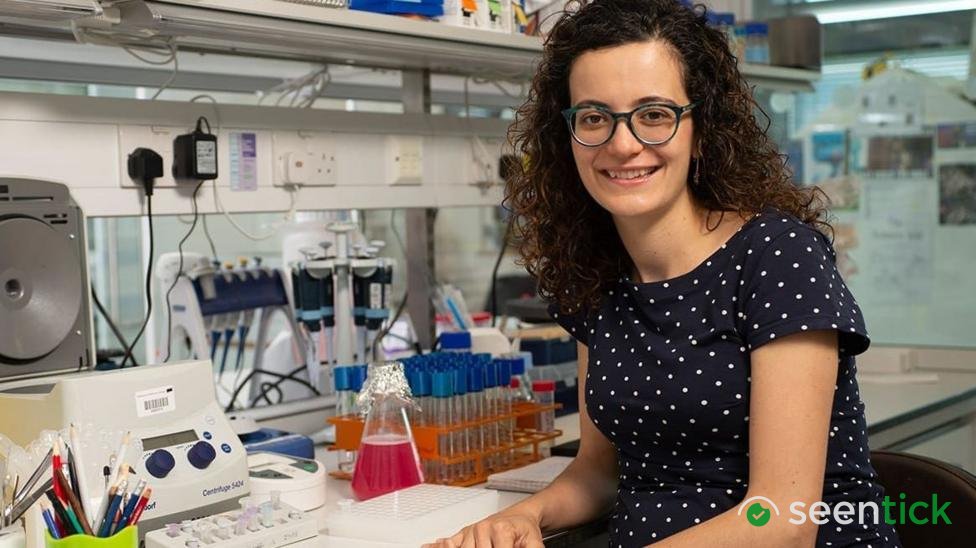
University of Cambridge Scientist Dies in Spanish Train Crash
Dr. Marta Shahbazi, a renowned University of Cambridge scientist, died in the Spanish train disaster on Wednesday, leaving behind a trail of shock and grief. The 69 people killed in the crash were on their way to a conference in El Rompido.
There, Shahbazi was set to collect a prestigious award for her contributions to developmental biology.
Shahbazi, an affiliate associate professor at the MRC Laboratory of Molecular Biology, was a leading expert in cell biology and had earned several awards for her work on human embryos and early development. Her death has sent ripples of sadness throughout the scientific community. With colleagues and institutions paying tribute to her pioneering research and collaborative spirit.
Read More: El Niño Strengthens to 'Unprecedented Levels', Warming Oceans and Global Temperatures
Shahbazi joined the University of Cambridge in 2020 and had been recognized for her work with several awards and prizes. She was also a principal investigator at the Stem Cell Institute (CSCI) and had published numerous papers on early human development.

Her affiliation with the Cambridge Biomedical Campus. There, the Shahbazi Laboratory was based, was a shows her commitment to advancing knowledge in the field of cell biology. The laboratory, part of the LMB, was a hub for innovative research in molecular biology.
Prof. Bertie Gottgens, director of the CSCI, described Shahbazi as "highly respected for her pioneering research on early human development and valued for her collaborative spirit." The Spanish National Cancer Research Centre, where Shahbazi had also conducted research, paid tribute to her as an "inspiring, talented and passionate scientist" whose work had shed light on the earliest steps in human embryonic development.
Also Read: RJ Mitte, Star of Breaking Bad, Dies at 34
Shahbazi's death was a profound shock to the scientific community, with many expressing their condolences on social media. The University of Cambridge has announced that it will be holding a memorial service for Shahbazi in the coming days.
As news of Shahbazi's death spread, the Spanish Society, where she was scheduled to attend the awards ceremony, issued a statement expressing their "deepest condolences" to her family and colleagues. The CiMUS, a social media platform, was the first to confirm the news, and has since been flooded with tributes and condolences from the scientific community.
Shahbazi's research had a significant impact on our understanding of human development, and her work continues to inspire new generations of scientists. Her legacy will be remembered for years to come, and her contributions to the field of cell biology will be deeply missed.
What's Your Reaction?
 Like
 Dislike
 Love
 Funny
 Wow
 Sad
4
 Angry
I write about the forces shaping business and the global economy, from startup growth and changing markets to international trade and policy. My work focuses on breaking down complex developments into clear, practical insights and understanding what they could mean for businesses, investors, and the wider economy.




















Comments (0)