

Forget Starbucks coffee - Gen Z like their drinks ice cold
Forget Starbucks coffee - Gen Z like their drinks ice cold
- Elaine Ling splits her time between New York and California, but wherever she is and needs a coffee, she doesn't visit a Starbucks. She
- "I don't really like to go to Starbucks for coffee. I think their coffee is like too sweet," Ling, 21, told the BBC. "I'm more of a ref
- Think iced fruity drinks, protein shakes and so-called dirty sodas - a concoction of foam, syrups and juices. Ling's preferences are ec
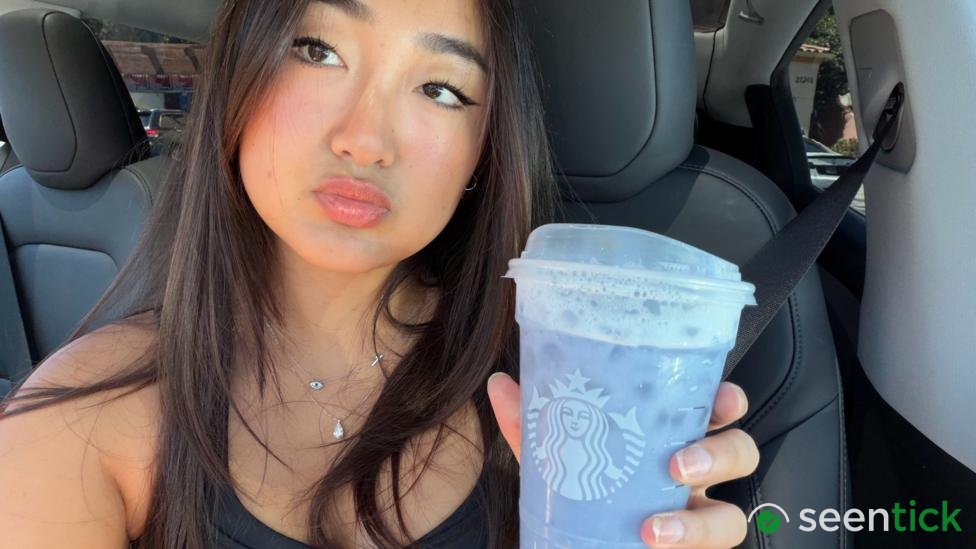
Elaine Ling splits her time between New York and California, but wherever she is and needs a coffee, she doesn't visit a Starbucks. She only goes there for her cold drinks. Her "real coffee" comes from local cafes.
"I don't really like to go to Starbucks for coffee. I think their coffee is like too sweet," Ling, 21, told the BBC.


"I'm more of a refresher girl when it comes to going to Starbucks." Though founded as a coffee shop more than five decades ago, Starbucks says that three out of every four drinks it now sells are cold.
Core Findings and Detailed Timeline
Think iced fruity drinks, protein shakes and so-called dirty sodas - a concoction of foam, syrups and juices. Ling's preferences are echoed Gen Z consumers - people born between 1997 and 2012 - are increasingly choosing cold drinks that they can customise themselves over traditional coffee.
Tristan Höver, global insight manager for hot drinks at Euromonitor International, says younger consumers increasingly see drinks as something they can tailor to a specific moment or need.
"Customisation gives them a sense of control," he told the BBC. He says Gen Z is price-sensitive but willing to pay more if the drink feels special, larger, or functional. With cold drinks, he says, size, layers and visual appeal help justify the higher price.
Jerry Sheldon, an analyst at IHL Group, sees these habits as part of a larger cultural shift. "Cold drinks are a form of self-expression," he says. It is another way to signal identity, much like clothing or hair colour.
Broader Implications and Future Outlook
Kelly Goldsmith, a Professor of Marketing at Vanderbilt University, says consumers are "not paying for what's in the cup, but what's on the cup," comparing Starbucks to an affordable luxury handbag made She says that image has helped Starbucks maintain a price premium for years. Starbucks' Unicorn Frappuccino was much-hyped on TikTok and available for only three days in August.
Read More: Australia usually hosts the world's biggest cuttlefish mating event - not this year
The dense, brightly coloured blended drink with swirls of pink, blue and purple, topped with whipped cream and a crunchy topping lifted foot traffic at Starbucks ai, a data analytics firm. Other chains are trying to tap into the trend.
Dunkin' Donuts is experimenting with protein-boosted drinks and customisable cold options, recently partnering with celebrities like Kylie Jenner to promote limited‑time drinks.
TikTok food‑and‑drink creator Natalie Ludwig, who has more than 500,000 followers, has sampled Dunkin's cold drinks. She says the campaign with Jenner is one example of how the chain is trying to tap into a younger audience, adding that if the promotion succeeds "maybe that younger audience sticks".
Fast food chains like McDonald's, Chick-fil-A, and Taco Bell have launched fruit-based so-called refreshers and coffee-adjacent options and other non-caffeine cold drinks aimed at the same audience.
UK data suggests the trend isn't limited to the US. Isabella Reeve, a consumer insight director at Worldpanel Over 60% of their drink purchases are cold, compared with just 30% for shoppers 55 and older. She says cold drinks aren't just a summer habit either.
More than 70% of people buy them year-round, while over 80% do so in the summer months. Tirtha Dhar, a marketing professor who studies consumer choice at the University of Guelph in Canada, says cold drinks have become a "sweet spot" for Starbucks' bottom line.
The "infinite personalisation" through foams, flavours, and protein are "almost pure profit" for the chain.
Cold drinks have also helped revive Starbucks after a stretch of weaker sales, with the category making up more than 70% of its US beverage sales - a shift that has become central to its turnaround strategy. South Korea's Starbucks to shut for staff history lesson after backlash The £5 coffee that tells a story of global economic turmoil
Frequently Asked Questions
What's Your Reaction?
 Like
1
Like
1
 Dislike
 Love
2
Love
2
 Funny
Funny
 Wow
1
Wow
1
 Sad
Sad
 Angry
Angry

I write about the forces shaping business and the global economy, from startup growth and changing markets to international trade and policy. My work focuses on breaking down complex developments into clear, practical insights and understanding what they could mean for businesses, investors, and the wider economy.















Comments (0)