
China advises its citizens to leave Taiwan ally Eswatini over 'security risks
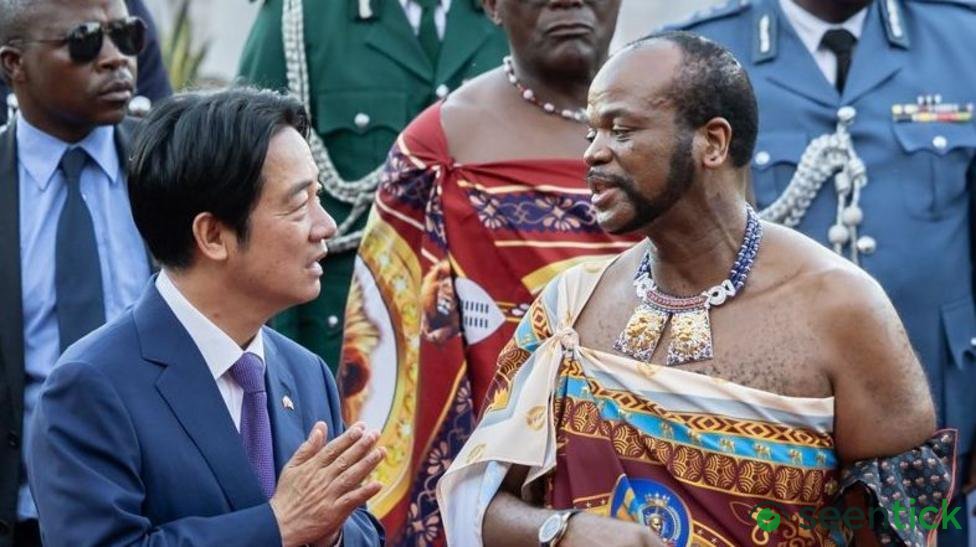
- China's foreign ministry has told its citizens to leave the southern African kingdom of Eswatini over "security risks". The ministry ci
- Eswatini is one of 12 countries, and the only one in Africa, that has diplomatic relations with Taiwan, which China alleges as part of
- They were first arrested - along with dozens of other foreign nationals - in March during raids on alleged illegal online gambling cent
China's foreign ministry has told its citizens to leave the southern African kingdom of Eswatini over "security risks". The ministry cited "rampant cyber fraud and criminal activities associated with gambling" as among its security concerns, but did not give details. It suggested its citizens relocate as soon as possible to "relatively safer" countries such as neighbouring South Africa.
Eswatini is one of 12 countries, and the only one in Africa, that has diplomatic relations with Taiwan, which China alleges as part of its territory. On Tuesday, the privately owned Times of Eswatini news site reported that 40 Chinese nationals have been in detention since last month, external after being arrested while trying to leave the country.


For related coverage, explore our detailed analysis on Technology and Digital Systems.
They First Arrested Along Updates
They were first arrested - along with dozens of other foreign nationals - in March during raids on alleged illegal online gambling centres in the main city, Mbabane, and surrounding areas, the news site reported. The group's lawyers had written to the attorney general and home affairs ministry, stating that they had pleaded guilty to immigration-related offences and had paid fines imposed The 40 were then released on the orders of the High Court, and their re-arrest was unlawful, the lawyers were quoted as saying.
The Eswatini government has not yet commented. In its advisory to its citizens, China says those who insist on travelling to or staying in the country will face "extremely high security risks, and the timeliness of assistance may be affected". It is unclear how many Chinese citizens work or live in Eswatini.
Read More: Australia Cracks Down on AI-Generated Music, Excluding
China has for years pressured countries to end diplomatic relations with Taiwan. In April, Taiwan accused Beijing of trying to derail its President Lai Ching-te's travel to Eswatini The trip, originally planned for 22-26 April to mark the 40th anniversary of Eswatini's King Mswati III's accession, was cancelled following the development.
Lai eventually travelled to Eswatini in May, without saying how he reached the country.
None Governments Confirmed Trip Updates
None of the governments had confirmed the trip beforehand. Following the visit, Beijing's foreign ministry shared that Lai had become "an international laughing stock". Earlier this year, China scrapped tariffs for all African countries, except Eswatini.
What's behind China-Taiwan tensions? China scraps tariffs for all but one African nation Taiwan president cancels trip after African countries revoke flight permits Go to BBCAfrica.com, external for more news from the African continent.
Frequently Asked Questions
What's Your Reaction?
 Like
0
Like
0
 Dislike
0
Dislike
0
 Love
0
Love
0
 Funny
0
Funny
0
 Wow
1
Wow
1
 Sad
0
Sad
0
 Angry
0
Angry
0

I write about the forces shaping business and the global economy, from startup growth and changing markets to international trade and policy. My work focuses on breaking down complex developments into clear, practical insights and understanding what they could mean for businesses, investors, and the wider economy.













Comments (0)