
Bihar Pushes Against Renewal of 1996 India-Bangladesh Ganges
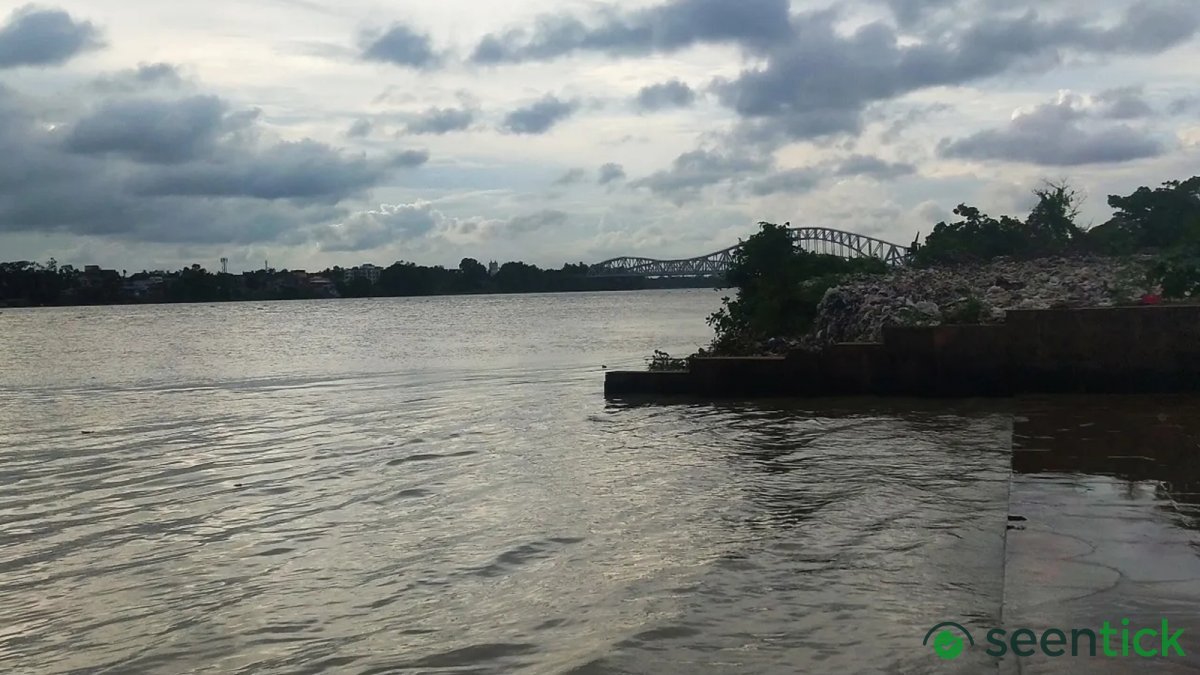
- The Bihar government is pushing against the renewal of the 1996 India-Bangladesh Ganges Water Sharing Treaty, a development that could
- The Farakka Water Treaty, also known as the Ganges Water Sharing Treaty, is a bilateral agreement signed on December 12, 1996, between
- The treaty established a 30-year binding framework (1996–2026) to replace earlier short-term stopgap arrangements and ensure predictabl
The Bihar government is pushing against the renewal of the 1996 India-Bangladesh Ganges Water Sharing Treaty, a development that could put the BJP-led Centre in a bind. The treaty's lapse approaches as the state's ruling National Democratic Alliance pushes for its non-renewal.
The Farakka Water Treaty, also known as the Ganges Water Sharing Treaty, is a bilateral agreement signed on December 12, 1996, between India and Bangladesh that regulates the sharing of the Ganga waters at the Farakka Barrage in West Bengal, India. The treaty has done enormous harm to Bihar, causing severe water shortages, increased soil salinity, and ecological stress in southern Bangladesh.


For related coverage, explore our detailed analysis on Technology and Digital Systems.
Key Analysis and Detailed Timeline
The treaty established a 30-year binding framework (1996–2026) to replace earlier short-term stopgap arrangements and ensure predictable water distribution.
Deve Gowda government with 22 MPs?
But what the RJD says and does now is not important—we want the dismantling of the Farakka Barrage,” he stated.
Broader Impact and Sector Outlook
A fresh diplomatic and political confrontation is brewing in Bihar over the 1996 India-Bangladesh Ganges Water Sharing Treaty, or known colloquially as the Farakka treaty. As the treaty’s lapse approaches, Bihar’s judicial determination National Democratic Alliance is pushing against its renewal — a development that could put the BJP-led Centre in a bind.
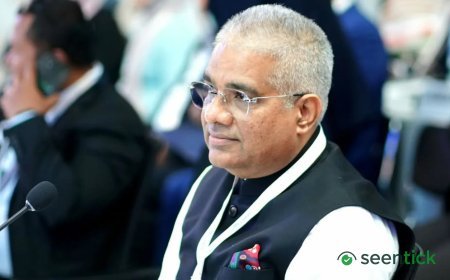
In the latest push against the pact, Bihar Deputy Chief Minister Vijay Kumar Choudhary, who handles the state’s water resources portfolio and who had accompanied Chief Minister Samrat Choudhary during a recent meeting with External Affairs Minister S. Jaishankar in Delhi, informed reporters that the state had “expressed our concerns regarding the Farakka treaty and how it has proved detrimental to Bihar's interest”.
“The Union minister assured us of taking care of our concerns,” he stated. This comes after JD(U) national working president and Rajya Sabha MP Sanjay Kumar Jha also urged the Centre not to renew the pact. “The Farakka treaty has done enormous harm to Bihar.
It is also surprising that the treaty was never reviewed in the last 30 years,” Sanjay K Jha informed The Indian Express. “Bihar suffers floods, heavy siltation and also paucity of water because of it. Now that we are in the phase of industrialisation, we need rational use of water.
Read More: Cold-blooded killing of 23 Kashmiri Pandits is latest case to be reopened in J&K
During summers, when we need water for ourselves, we have to concede water to Bangladesh as per the treaty.” The treaty has done enormous harm to Bihar JD(U) working president and RS MP Sanjay Kumar Jha, who has urged the Centre not to renew the pact. (Express Photo) What is the Farakka Water Treaty The Farakka Water Treaty (officially called the Ganges Water Sharing Treaty) is a bilateral agreement signed on December 12, 1996, between India and Bangladesh that regulates the sharing of the Ganga waters at the Farakka Barrage in West Bengal, India, primarily during the dry season from January 1 to May 31.
The treaty expires in December. The barrage was built in 1975 to divert water from the Ganga into the Hooghly River to flush out silt and to keep Kolkata Port navigable. However, this reduced downstream river flow into Bangladesh, causing severe water shortages, increased soil salinity, and ecological stress in southern Bangladesh.
The 1996 treaty established a 30-year binding framework (1996–2026) to replace earlier short-term stopgap arrangements and ensure predictable water distribution. Unlike the earlier 1977 temporary agreement, the 1996 treaty lacks a "minimum flow guarantee clause”. If total flow falls drastically below 50,000 cusecs, the treaty only calls for immediate emergency consultations between both governments.
Siltation, reduced groundwater discharge, upstream water withdrawal, and erratic rainfall patterns have altered the river's actual availability in Bihar compared to 1996 baseline levels. For two decades, the Bihar government has been flagging concerns over the barrage with the Centre — first under Nitish Kumar and now under Samrat Choudhary.
The Bihar government What Bihar says The Bihar government maintains that the structure has created a severe “flood-and-parch” dynamic upstream, and that the heavy silt trapped behind the barrage has drastically elevated the Ganges riverbed, destroying its natural water storage capacity and driving severe seasonal floods into surrounding districts like Bhagalpur and Munger during the monsoons. Pushing against renewal, Rajya Sabha MP Sanjay Kumar Jha contended that Bihar's projected water needs up to 2050 be prioritised and that any future diplomatic arrangement must include a comprehensive National Silt Management Policy and direct representation for the state.
The mounting domestic pressure from NDA coalition partner JD(U) comes at a delicate moment for New Delhi's foreign policy. For his part, External Affairs Minister S. Jaishankar has stressed that neighbourhood relations must be navigated through “mutual interest” and “common ground”.
At a recent media conclave, Jaishankar, while responding to questions on complex bilateral issues — from Bangladesh's demands for stronger downstream guarantee clauses to wider diplomatic discussions — noted that for any international relationship to function smoothly, both sides must establish a shared landing point. But even as the state’s NDA alliance mounts pressure on the Centre, Bihar's Principal Opposition, the Rashtriya Janata Dal, has been highlighting a 2011 parliamentary speech "We are only reproducing what is already in the public domain.
Now all eyes are on the NDA government at the Centre, which faces a tight balancing act between regional flood management at home and strategic neighbourhood diplomacy abroad,” an RJD leader informed The Indian Express. JD(U) chief spokesperson Neeraj Kumar dismissed this as “immaterial”.
“Why had Lalu Prasad not opposed the treaty in 1996 when the RJD was backing the H.D. Deve Gowda government with 22 MPs? But what the RJD says and does now is not important—we want the dismantling of the Farakka Barrage,” he stated.
Frequently Asked Questions
What's Your Reaction?
 Like
0
Like
0
 Dislike
0
Dislike
0
 Love
0
Love
0
 Funny
0
Funny
0
 Wow
0
Wow
0
 Sad
0
Sad
0
 Angry
0
Angry
0

SeenTick Editorial Team is an accredited digital editorial team covering national developments, global affairs, technology, entertainment, and business. Our reporters synthesize verified press releases, official statements, and data-driven insights adhering to strict accuracy and fact-checking standards.










Comments (0)