
Supreme Court Temporarily Allows Trump Ballroom Construction to Proceed
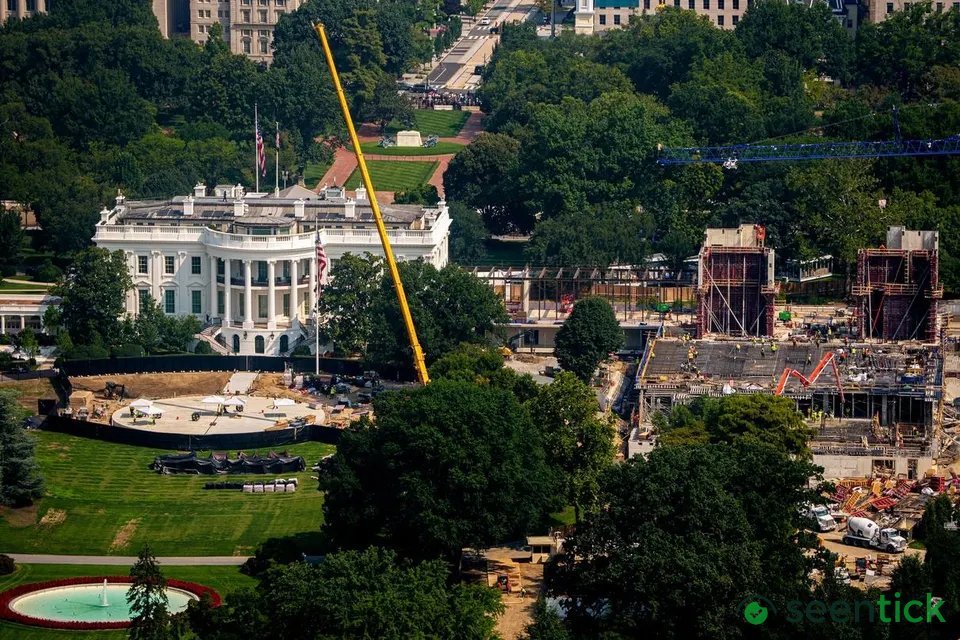
- US Supreme Court Chief Justice John Roberts temporarily blocks lower court rulings halting construction on Donald Trump's Mar-a-Lago ballroom.
- Administrative officials argued that halting the ongoing build poses structural collapse hazards and severe national security risks.
- Historic preservation organizations maintain that unpermitted structural alterations risk irreparable damage to landmark property.
The United States Supreme Court has intervened in an ongoing legal dispute regarding construction work on a multi-million-dollar ballroom at President Donald Trump's private Mar-a-Lago club. Chief Justice John Roberts delivered an administrative order late Friday pausing lower appellate court decisions that had mandated an immediate cessation of all building operations.
The administrative stay ensures that ongoing construction activity may proceed unimpeded while the nation's highest judicial bench reviews whether formal injunctions should remain in place during ongoing constitutional litigation.


Legal Dispute Over Congressional Authorization and Executive Powers
The contentious litigation originated after preservation societies and federal watchdogs contended that executive branch officials lacked statutory authority from the United States Congress to authorize substantial structural renovations on the historic landmark property.
Lower judicial determinations had previously ruled that unapproved building modifications violated statutory preservation standards, ordering federal agencies and private contractors to suspend ongoing work immediately.
Read More: AEW Fight Forever Flopped With A Reported $30 Million In Losses
National Security Concerns Versus Historic Preservation Standards
Attorneys representing the administration petitioned the high court urgently, warning that leaving the partially completed structure exposed to harsh coastal weather conditions presented grave structural collapse dangers and compromised sensitive security perimeters.
Conversely, legal counsel for the National Trust for Historic Preservation argued that permitting ongoing construction creates permanent, irreversible alterations before federal courts can comprehensively assess the statutory legality of the project.
Procedural Next Steps and High Court Deliberations
Chief Justice Roberts's interim directive preserves the operational status quo until the full nine-justice panel evaluates formal emergency filings submitted by opposing parties.
Legal scholars anticipate that the Supreme Court will deliver a definitive procedural order in the coming weeks, setting important judicial precedents regarding executive property authority, federal landmark protections, and administrative injunction standards.
What's Your Reaction?
 Like
0
Like
0
 Dislike
0
Dislike
0
 Love
0
Love
0
 Funny
0
Funny
0
 Wow
0
Wow
0
 Sad
0
Sad
0
 Angry
0
Angry
0

SeenTick is a digital news platform bringing you the latest and most important stories from India and around the world. Explore news and updates across politics, business, technology, AI, gaming, health, sports, entertainment, science and more.












Comments (0)