
India's sugar squeeze threatens its biggest season for sweets
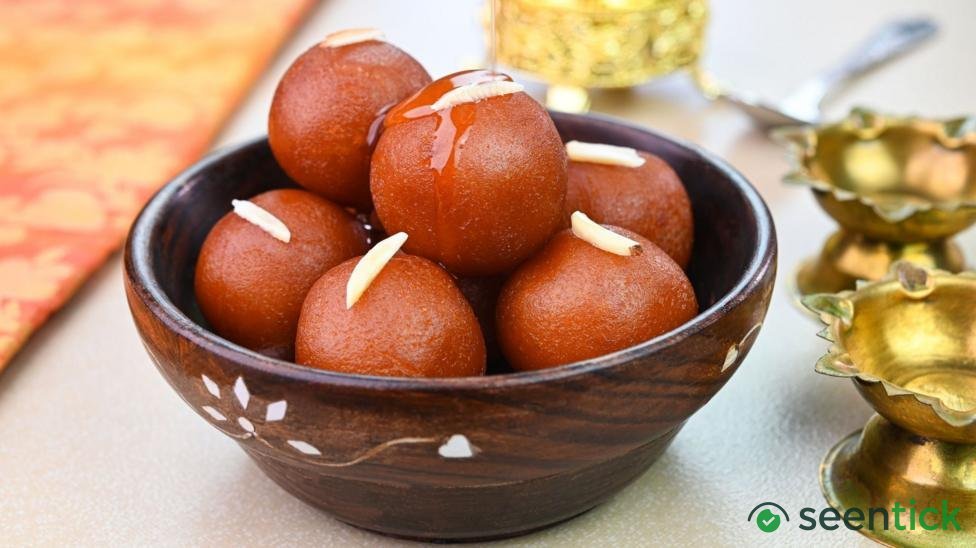
- India is the largest consumer of sugar in the world India, the world's largest consumer of sugar, is trying to avoid a bittersweet fest
- Food and beverage companies also begin stocking up for one of their busiest sales periods, adding pressure on wholesale prices. Product
- A kilo of sugar that cost around 40-45 rupees ($0.42-0.47; £0.31-0.35) in May-June was selling for more than 58-60 rupees in several ma
India is the largest consumer of sugar in the world India, the world's largest consumer of sugar, is trying to avoid a bittersweet festive season. Sugar prices have jumped nearly 40% in the past two months, prompting the government to import 1 million tonnes for the first time in nearly a decade.
The move comes as demand surges from August, with festivals such as Ganesh Chaturthi, Dussehra and Diwali leading into the busy wedding season.


Food and beverage companies also begin stocking up for one of their busiest sales periods, adding pressure on wholesale prices. Production is now expected to be 30.6 million tonnes in the current season, which runs from October 2025 to September 2026 - 11% below the government's earlier estimate of 34.3 million tonnes. The squeeze has sent prices soaring.
For related coverage, explore our detailed analysis on Technology and Digital Systems.
Kilo Sugar Cost Around Updates
A kilo of sugar that cost around 40-45 rupees ($0.42-0.47; £0.31-0.35) in May-June was selling for more than 58-60 rupees in several markets in August, although prices have begun to ease slightly. But how did a country, which is also the world's second-largest sugar producer, end up needing imports?
The government has blamed lower sugarcane production linked to reduced rainfall during El Niño, hoarding and tighter global supplies after adverse weather hit other major producers.
But experts say another key factor was that India overestimated its own production - and allowed sugar to be exported before the extent of the shortfall became clear. The government initially approved exports of 1.5 million tonnes this season, adding another 500,000 tonnes in February. Nearly 800,000 tonnes had been shipped before exports were paused in May.
"From allowing exports at the start of the season to ending with an import of a million tonnes is a large variation on production estimates - and that's a big surprise," shared Vikram Suryavanshi, a senior analyst at PhillipCapital India. That matters because India has little sugar to spare.
It consumed more than 28 million tonnes last season, not far below what it expects to produce this year.
Nearly Three Million Tonnes Updates
Nearly three million tonnes is also expected to be diverted to ethanol production, leaving little room for any shortfall. That is where the imports will help provide a buffer, says Atul Chaturvedi, non-executive director of Shree Renuka Sugars, India's largest sugar refiner and a major ethanol producer.
Sugarcane is a water-intensive crop that depends heavily on monsoon rainfall For three months from 1 September, sugar refineries in special economic zones near ports - which normally import raw sugar, refine it and re-export it - will be allowed to sell duty-free sugar in the domestic market.
The last time India imported sugar for domestic consumption was nearly a decade ago, when the country was grappling with drought. Other measures are also under way. The Indian Sugar Mills Association (ISMA) has requested mills to begin crushing cane a fortnight earlier than usual to build stocks as the new harvest starts arriving in October.
But that crop, too, faces risks from erratic weather. Sugarcane is highly water-intensive, and uneven monsoon rains and prolonged dry spells in key growing states such as Maharashtra, Uttar Pradesh and Karnataka have affected the crop. Yields are expected to fall, while thinner cane with lower sucrose content means less sugar can be produced.
"Looking at the climate conditions, the next season is also not going to be a bumper crop, although it is too early for actual assessment," Chaturvedi shared. India has frequently restricted agricultural exports when domestic supplies tighten and prices rise.
Read More: Canada announces 'dollar-for-dollar' retaliatory tariffs on US as high as 50%
In 2023, for instance, it banned exports of non-basmati white rice for more than a year after crop damage contributed to rising food prices.
But experts say the failure to anticipate the sugar shortfall before allowing exports has raised questions about the government's forecasts. "This year, the initial projections for sugarcane production did not materialise due to unusual weather in some parts and disease in certain varieties," shared Siraj Hussain, a former secretary at the federal agriculture ministry.
The government has not explained why the scale of the shortfall was not identified before exports were paused on 13 May.
It has shared production fell below estimates because of sugarcane disease and waterlogging caused The BBC has contacted the agriculture ministry for comment. Demand for sugar typically surges from August as India's festival season begins Some commentators have also blamed the diversion of sugarcane to ethanol production for the shortage in a deficit year.
Even earlier, sugar mills would set aside around 10% of their output for this, helping stabilise prices in times of excess production.
But India making E20, or petrol blended with 20% ethanol, the standard fuel at pumps this year, just as sugar output is low, has added to the challenge, experts say. The government disputes how much the policy is to blame.
It says the share of cane diverted to ethanol has fallen from 12% in 2022-23 to around 9% in 2025-26, and points out that weak production, hoarding and tighter global supplies are behind the sugar price surge.
Some in the industry agree. Deepak Ballani of the Indian Sugar Mills Association (ISMA), which represents private mills producing nearly half of India's sugar, says stocks and monthly quotas for sugar released into the market are comfortable. He points out speculation and hoarding, rather than a genuine shortage, are driving prices higher.
The government has capped stocks held Suryavanshi, however, disagrees. India has used such measures before, he says, yet prices continued to climb after the latest restrictions were confirmed. To him, that points to a real supply squeeze.
And India's decision to import comes as supplies are tightening globally. El Niño has affected rainfall in Thailand, while heavy rain has disrupted cane harvesting in Brazil, the world's largest sugar producer, where mills are also diverting more cane to ethanol. Heatwaves have battered Europe's sugar beet crop, with France expecting its worst harvest in four years.
US government forecasters expect global production to fall to 184.9 million tonnes this season, from a record 186.1 million tonnes the year before. London white sugar futures hit $541 a tonne in mid-August, their highest since April 2025, while New York raw sugar futures jumped 4% on the day India confirmed its imports.
For India, however, sugar availability could improve next year if high prices prompt mills to divert less cane to ethanol.
"At current sugar prices, it simply doesn't make economic sense for mills to divert cane juice to ethanol, so India's sugar scenario should be quite all right going forward," Chaturvedi shared. But the bigger lesson from this year's squeeze, he added, is clear: it is a "warning that going forward, we need to be a lot more careful in estimating our sugar crop numbers".
Frequently Asked Questions
What's Your Reaction?
 Like
0
Like
0
 Dislike
1
Dislike
1
 Love
0
Love
0
 Funny
0
Funny
0
 Wow
0
Wow
0
 Sad
0
Sad
0
 Angry
0
Angry
0

I write about the forces shaping business and the global economy, from startup growth and changing markets to international trade and policy. My work focuses on breaking down complex developments into clear, practical insights and understanding what they could mean for businesses, investors, and the wider economy.















Comments (0)