

US Power Grid Struggles as Extreme Heat Cuts Supply, Boosts Demand
US Power Grid Struggles as Extreme Heat Cuts Supply, Boosts Demand
- The US power grid is facing unprecedented challenges as extreme heat hits the country. Water cools plants, carries fuel, and generates
- July 2026 broke the record for the hottest month ever recorded in the United States, first set in 1936. Back then, in the depths of the
- When a heat wave hits, most people picture air conditioners running nonstop and bills climbing. As the grid strains to meet demand, the
The US power grid is facing unprecedented challenges as extreme heat hits the country. Water cools plants, carries fuel, and generates electricity, but with fossil fuels driving warming, droughts are deepening.
July 2026 broke the record for the hottest month ever recorded in the United States, first set in 1936. Back then, in the depths of the Dust Bowl, drought threatened the nation’s farms. This time it threatens the nation's power supply.


For related coverage, explore our detailed analysis on Technology and Digital Systems.
Nuclear Plants Need Water for Cooling
When a heat wave hits, most people picture air conditioners running nonstop and bills climbing. As the grid strains to meet demand, the same heat also cuts supply, leading to brownouts and blackouts.
Nuclear plants need water for cooling. In France, rivers grew so warm this summer that EDF, the national utility, had to throttle back reactors. On July 13 it shut two and reduced six more, pulling 6.4 gigawatts off the system in one earlier today.
Coal and diesel generators need waterways for fuel delivery. Much of that fuel still travels Germany’s Rhine fell to its lowest point since record-keeping began in 1880, stranding barges inland and forcing others to sail at a fifth of their capacity.
Read More: Seattle Mariners: Look To Ride Rejuvenated Cal Raleigh Into Playoffs
Coal and Diesel Generators Need Waterways for Fuel Delivery
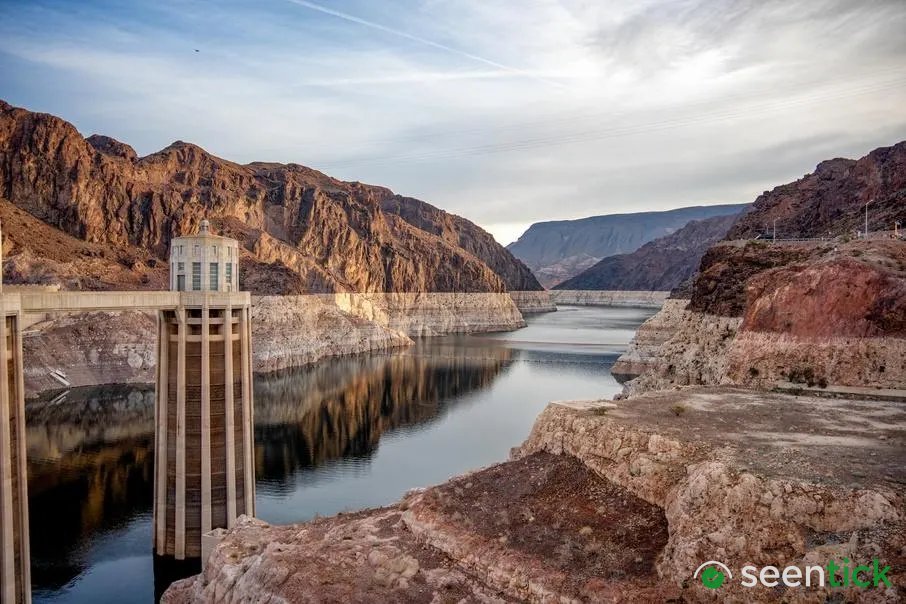
Hydroelectric power plants need water to make power. Lake Mead, which feeds Hoover Dam, fell to a record low of 1,040.5 feet on August 7, about five feet above the point where 12 of the dam’s 17 turbines suspend turning and Hoover loses roughly 70% of its generating capacity.
The evidence points to more ahead. The US just came through its hottest month on record, and the world's oceans have warmed to their highest levels ever measured. A Pacific warming pattern called El Niño is strengthening fast, with a better than 90% chance of turning very strong.
July 2026 was the hottest month ever recorded in the U.S. Extreme heat now simultaneously boosts electricity demand and cuts supply, as power generation heavily relies on water. Nuclear plants need cool water, coal transport depends on navigable rivers, and hydro dams require sufficient water levels.
France saw nuclear reactors throttled due to warm rivers, while low levels on the Rhine and Mississippi disrupted fuel delivery. Lake Mead's record low threatens Hoover Dam's output.
Experts warn of more extreme conditions ahead, driven The grid is adapting; less water-intensive solar and wind power are expanding, and technology upgrades made for power generation to function at lower water levels. A necessary shift towards a drier future.
Frequently Asked Questions
What's Your Reaction?
 Like
1
Like
1
 Dislike
0
Dislike
0
 Love
0
Love
0
 Funny
0
Funny
0
 Wow
1
Wow
1
 Sad
0
Sad
0
 Angry
0
Angry
0

I write about the forces shaping business and the global economy, from startup growth and changing markets to international trade and policy. My work focuses on breaking down complex developments into clear, practical insights and understanding what they could mean for businesses, investors, and the wider economy.















Comments (0)