
Panama Canal to cut number of ships passing through due to El Niño
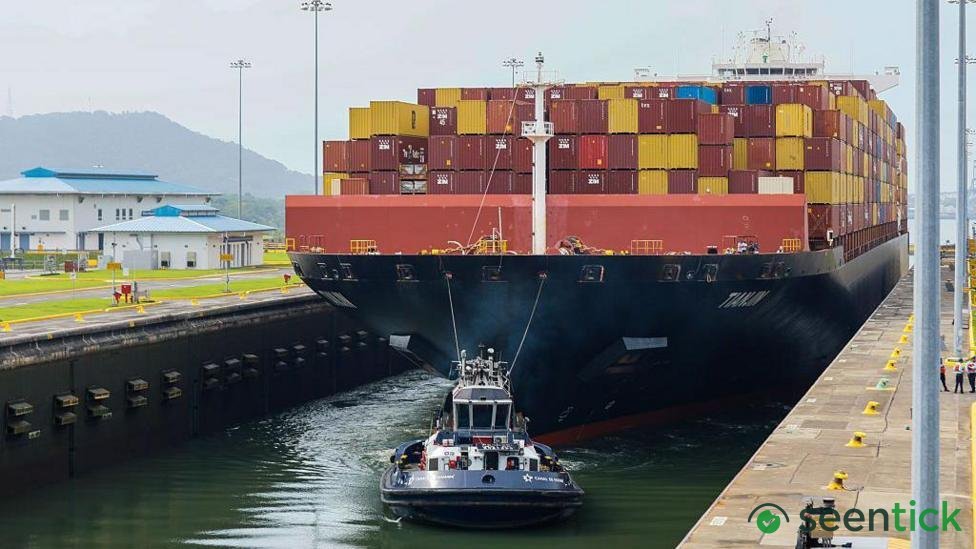
- Panama Canal Authority reduces vessel traffic due to low rainfall.
- Measures aim to preserve service reliability and safeguard water resources.
- New limit: 32 vessels per day, compared to 36 currently.
The Panama Canal Authority (ACP) has announced plans to reduce the number of vessels passing through the key waterway due to low rainfall caused As of September 15, shipping firms will be limited to 32 vessels per day, down from the current daily average of 36.
El Niño's Impact on Global Shipping
The shipping industry is already dealing with severe disruptions due to the Iran war, which has led to a significant reduction in vessel traffic through the Strait of Hormuz. The ACP's decision is part of efforts to mitigate the effects of El Niño, a naturally occurring pattern that can have far-reaching consequences for global trade and food supplies.


Preserving Service Reliability
The ACP stated that the measures are necessary to preserve service reliability and safeguard water resources for human consumption. Despite the arrival of the rainy season in Central America, additional action is needed to support the long-term sustainability of transit operations.
A Crucial Waterway for Global Trade
The Panama Canal plays a vital role in global trade, reducing the time and distance ships have to travel between the Atlantic and Pacific oceans. With around 14,000 vessels passing through the canal each year, it is not only a crucial route but also a significant source of income for Panama, generating approximately $3 billion annually.
Read More: Lindsay Clancy suffering 'command hallucination' when she killed
A Response to Drought
In 2023, the ACP took similar measures during the last El Niño period, cutting vessel traffic in response to drought conditions. Since then, the authority has introduced water-saving measures to minimize its environmental impact.
Global Implications and Next Steps
As many forecasts suggest that this year's El Niño could be one of the strongest ever recorded, the shipping industry is bracing itself for potential disruptions to weather patterns, food supplies, and economies. With the new vessel limit in place, the ACP aims to ensure the long-term sustainability of transit operations while preserving service reliability.
Conclusion
The Panama Canal Authority's decision to reduce vessel traffic highlights the importance of adapting to environmental changes while maintaining critical infrastructure. As global trade continues to evolve, it is essential to prioritize water conservation and sustainable practices to ensure the continued success of vital waterways like the Panama Canal.
What's Your Reaction?
 Like
0
Like
0
 Dislike
0
Dislike
0
 Love
0
Love
0
 Funny
0
Funny
0
 Wow
0
Wow
0
 Sad
0
Sad
0
 Angry
0
Angry
0

SeenTick is a digital news platform bringing you the latest and most important stories from India and around the world. Explore news and updates across politics, business, technology, AI, gaming, health, sports, entertainment, science and more.










Comments (0)